 EN
EN
 AR
AR
 DA
DA
 NL
NL
 FI
FI
 FR
FR
 DE
DE
 EL
EL
 HI
HI
 IT
IT
 JA
JA
 KO
KO
 NO
NO
 PL
PL
 PT
PT
 RO
RO
 RU
RU
 ES
ES
 SV
SV
 TL
TL
 IW
IW
 ID
ID
 VI
VI
 HU
HU
 TH
TH
 TR
TR
 FA
FA
 AF
AF
 MS
MS
 SW
SW
 BN
BN
 HA
HA
 IG
IG
 KM
KM
 LO
LO
 YO
YO
 ZU
ZU
 MY
MY
 AM
AM
 KU
KU
How a Solar Fan with Rechargeable Battery Can Save You Money
How a Solar Fan with Rechargeable Battery Works and Saves Energy
The Science Behind Solar Fans with Rechargeable Battery Operation
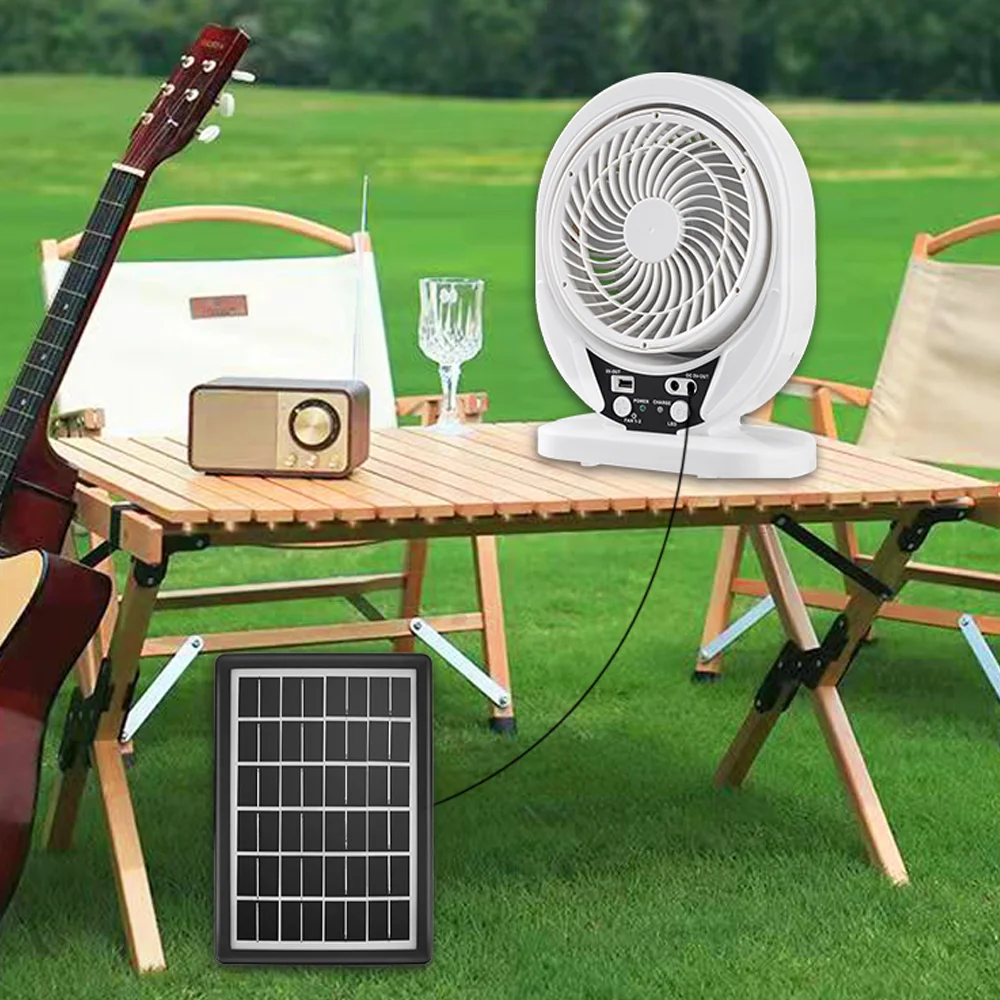
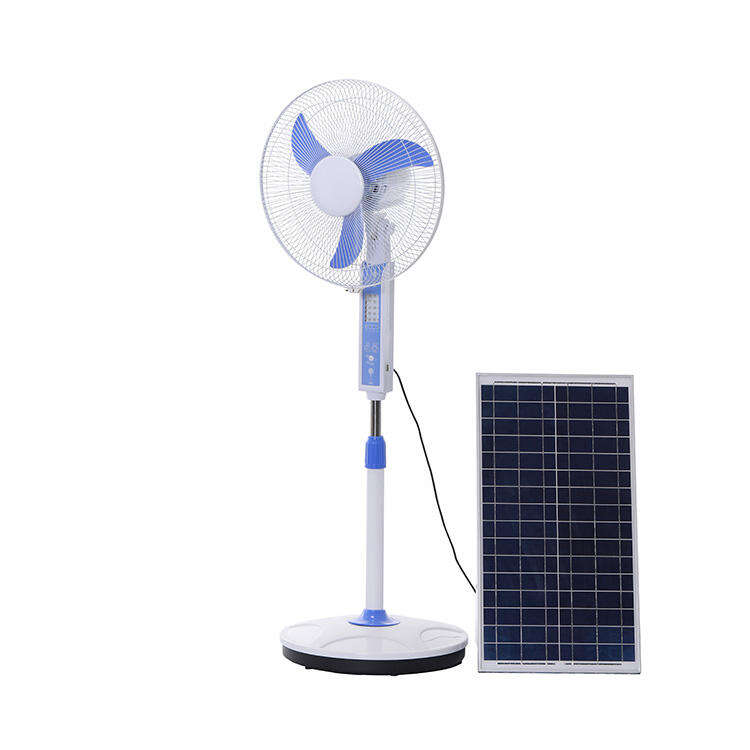
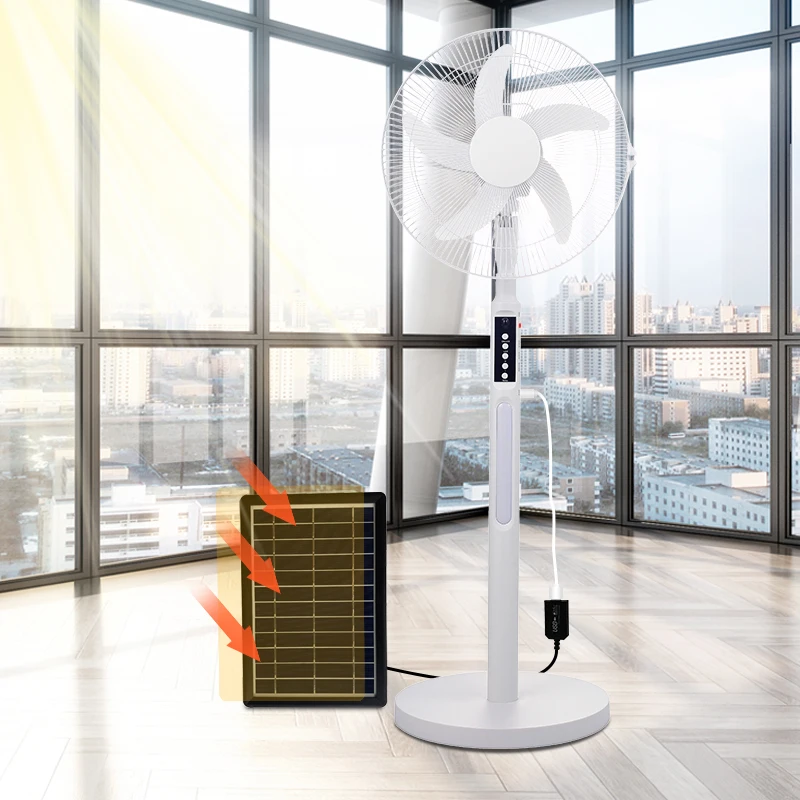
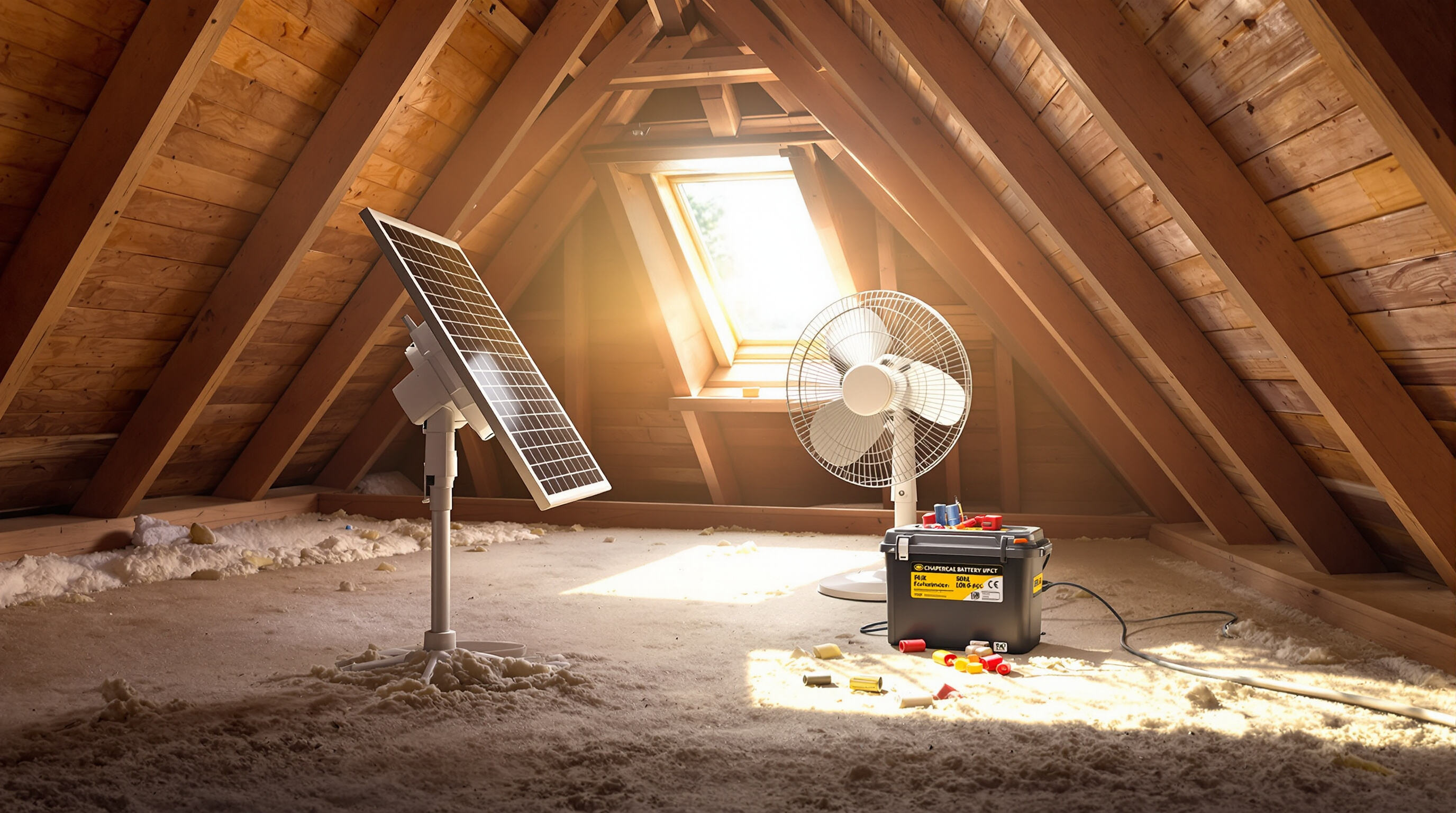
Solar powered fans that come with rechargeable batteries combine solar tech and built in storage so they can cool without needing any grid connection. The panels on these devices turn sunlight into power that runs the fan right away, and whatever extra gets stored in a lithium ion battery for later use. What makes them really useful is this two part system that keeps air moving even when the sun goes down. Some of the better quality models will actually run for around 18 hours straight, which means people stay comfortable through those hot summer nights when temperatures tend to peak again after sunset.
Role of Photovoltaic Cells in Converting Sunlight into Usable Power
Solar panels convert sunlight into direct current electricity, which is basically what powers most solar systems. A regular sized panel around 20 watts can actually handle two tasks at once it keeps the fan running while also charging up the battery storage. These panels typically work at about 18 to 22 percent efficiency when everything lines up just right. What makes them so valuable though is that they cut down reliance on traditional grid power from coal or gas plants. Instead of waiting for someone else to supply electricity, people can harness whatever sun hits their roof during the day.
Energy Conversion Efficiency and Its Impact on Overall Savings
Systems that work really well can hit around 85% efficiency when looking at how much solar power goes in versus what comes out as fan action. This cuts down on attic heat by roughly 20 to 30 degrees Fahrenheit. When attics stay cooler, air conditioning systems don't have to work so hard in the summertime. Homeowners typically see their cooling bills drop between 15% and 25%, which means saving anywhere from about $120 up to nearly $180 each year. For most people, these efficient systems pay for themselves pretty quickly too. The average homeowner gets back what they spent on installation within just two or three years because of all those monthly savings on electricity.
Reducing Energy Costs During Peak Daylight Hours with Solar Ventilation
Aligning Solar Fan Operation with Peak Cooling Demand
Solar powered fans tend to kick in around midday through early afternoon, which happens to be exactly when people need cooling the most and when electric bills spike. These fans help move air through attics and throughout homes without needing power from the grid at those expensive times. The idea is pretty smart actually – shifting some of that cooling workload away from regular air conditioning units. According to recent studies from IMD back in 2023, households that implement this approach often see their summer cooling expenses drop somewhere between 35 to 40 percent.
Lowering Attic Temperature and Reducing Cooling Load
Active expulsion of hot attic air creates a thermal buffer, preventing downward heat transfer. For every 10°F reduction in attic temperature, air conditioning runtime decreases by 2â5% (PowerMag 2023). This effect is especially valuable in regions with prolonged 90°F+ days, where HVAC systems often operate at full capacity.
Decreasing HVAC System Usage and Associated Energy Bills
Battery storage allows solar fans to continue operating 4â6 hours after sunset, further reducing nighttime cooling loads. Field trials show homes with solar attic ventilation require 35% less HVAC runtime during heatwaves, resulting in over $240 in seasonal energy savings for a 2,000 sq. ft. home.
Real-World Case Study: Measured Energy Savings in Residential Installations
A 12-month study of 120 Arizona homes found that solar fan users saved an average of $510 annually on cooling costs compared to homes with passive vents. The systems achieved payback in 3.2 years through lower energy bills and avoided peak-demand charges. Additionally, reduced thermal strain extended HVAC equipment lifespans by 20â30%.
Cost-Effectiveness and Long-Term Financial Benefits of Solar Fans
Initial Investment vs. Cumulative Energy Savings Over Time
While solar fans with rechargeable batteries cost 20â40% more upfront than grid-powered models, their $0 operational cost drives long-term savings. Efficient attic ventilation reduces HVAC runtime by 42%, saving households an average of $95 per year (EnergyStar 2023). These savings enable most systems to recover their initial investment within 3â5 years.
Comparing Solar Fan with Rechargeable Battery to Grid-Powered Alternatives
Unlike traditional fans tied to fluctuating utility rates, solar models eliminate ongoing electricity costs and operate emission-free. According to the 2024 Renewable Energy Market Report, solar attic fans have 83% lower lifetime costs than electric equivalents when accounting for rising energy prices and maintenance.
Break-Even Analysis: When Your Solar Fan Pays for Itself
Payback periods vary by climate and electricity costs. In high-cooling-demand areas with rates above $0.18/kWh, a $300 solar fan installation breaks even in 2.8 years for Phoenix homeowners saving $108 annually, compared to 4.1 years in milder climates like Portland.
Incentives and Rebates That Improve Solar Fan Affordability
30 states now offer tax credits covering 25â50% of solar ventilation system costs, with additional utility rebates available through 2032 under federal clean energy mandates. These incentives can bring upfront costs in line with conventional fans while enabling decades of free, sustainable operation.
Battery Performance and Reliability in Solar-Powered Fans
Charging Efficiency and Battery Capacity of Solar Fans with Rechargeable Battery
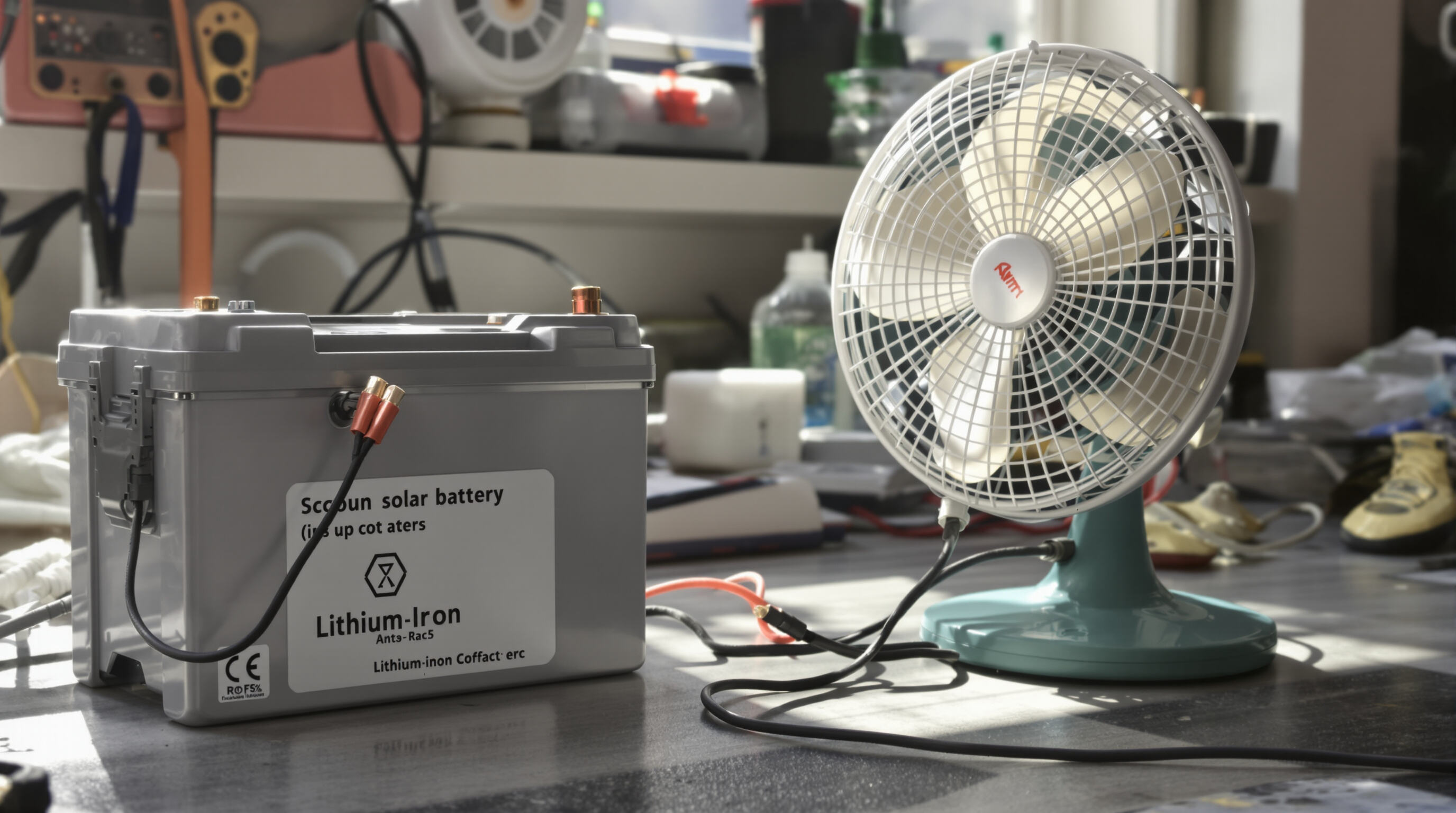
Today's solar powered fans can reach charging efficiencies between 85 to 95 percent when placed in good sunlight conditions. These devices typically use lithium ion batteries that hold anywhere from 200 to 500 watt hours worth of stored energy. The better quality models come with dual charging options too solar power works during daylight hours while grid electricity serves as backup whenever necessary making them pretty dependable for most situations. According to research published last year on renewable technologies, high end solar fan systems maintain about 90 percent of their original battery strength even after going through 500 complete charge cycles. That's quite impressive compared to cheaper alternatives which tend to lose around 40 percent more capacity over time.
Runtime After Sunset: How Long Solar Fans Run on Stored Energy
A fully charged solar fan will generally operate between 6 to 12 hours when set to medium speed, though this varies based on the battery size (anything from 20Ah right up to 100Ah) and how fast air needs to move through the space. The smart power saving features cut down electricity consumption by around 30 percent when demand drops off, which means longer running time while still keeping things comfortable enough for most situations. These units perform pretty reliably even when temps hit about 95 degrees Fahrenheit, losing only about 10% of their usual runtime. But watch out if it gets hotter than 110F outside because batteries tend to drain faster then, sometimes up to 15 or even 20% quicker than normal.
Battery Lifespan and Performance in High-Heat and Variable Weather
Battery Management Systems (BMS) help stop dangerous overheating when temps hit extremes like -4 degrees Fahrenheit all the way up to 140 degrees, and those sealed cases keep water out too. Real world tests in hot deserts have found that LiFePO4 batteries still hold about 80 percent of their original power even after going through 3000 charge cycles, which means they last three times longer than regular lithium ion batteries. Maintenance matters a lot here, since well cared for systems typically lose less than 5% efficiency each year. But watch out for coastal installations where salt air can really take a toll on unprotected units, causing them to corrode around 12% faster than normal.
Portable and Off-Grid Applications for Maximum Utility
Energy-Efficient Cooling in Camping, RVs, and Remote Locations
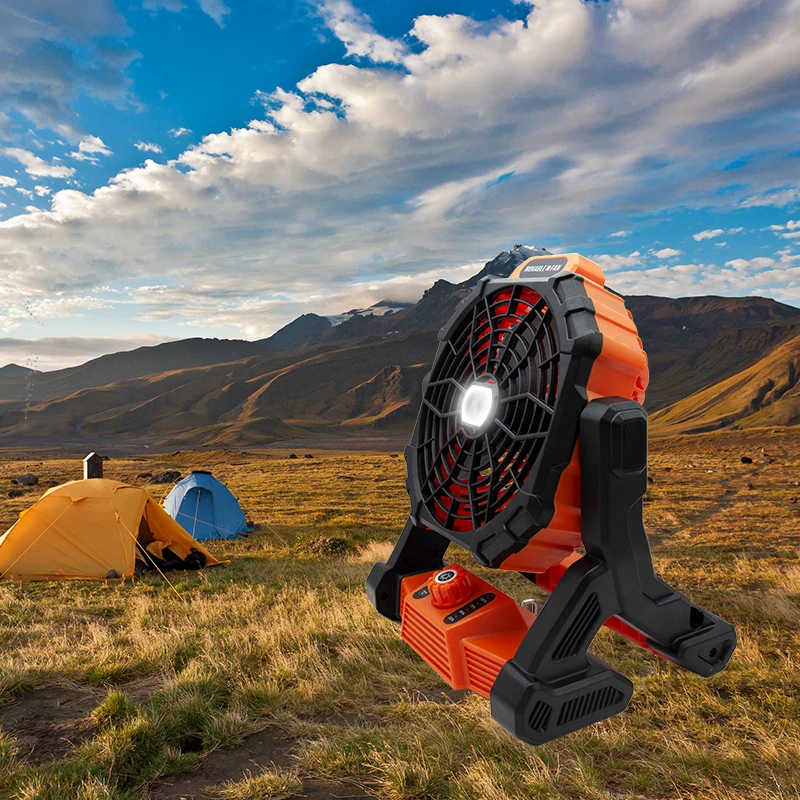
Solar powered fans that come with built-in batteries work great when there's no electricity nearby. These little devices can keep air moving quietly inside tents, small cabins, or RVs without needing any cords plugged in or gas burned. The solar panels on top charge up the battery throughout daylight hours, and those big lithium ion batteries stick around long enough to power the fan through most nights. What makes these fans stand out is their ability to still function decently even when partially shaded or under cloudy skies. Campers and people living in remote areas find them super handy because they don't have to worry about finding an outlet every time they want fresh air circulating.
Emergency Preparedness and Off-Grid Resilience with Solar-Powered Charging for Fans
When the power goes out during bad weather or when the grid fails, these fans keep air moving inside buildings for around 12 hours straight thanks to their built-in energy storage. The batteries in these models last almost three times longer than what we typically see in regular battery powered fans. After the sun comes back up, the solar panels kick in again without anyone needing to do anything, so they can continue cooling spaces even during long term emergency situations. According to testing done in real world conditions, people have found that these devices actually drop indoor temps between 6 and 8 degrees Fahrenheit in places where there's no electricity at all. That makes a big difference in preventing serious health problems caused by excessive heat exposure.
FAQ
How does a solar fan with a rechargeable battery work?
A solar fan with a rechargeable battery uses solar panels to convert sunlight into electricity, which powers the fan. Excess energy is stored in the battery for use when the sun isn't shining.
What are the benefits of solar fans over grid-powered fans?
Solar fans reduce energy costs by using sunlight instead of electricity from the grid. They also operate emission-free and have lower lifetime costs due to zero operational costs.
How long do solar fans operate on stored energy?
Solar fans can run between 6 to 12 hours on stored energy, depending on battery capacity and air speed settings.
Are there incentives available for installing solar fans?
Yes, many states offer tax credits and rebates that cover a portion of the solar fan installation costs, making them more affordable.