 EN
EN
 AR
AR
 DA
DA
 NL
NL
 FI
FI
 FR
FR
 DE
DE
 EL
EL
 HI
HI
 IT
IT
 JA
JA
 KO
KO
 NO
NO
 PL
PL
 PT
PT
 RO
RO
 RU
RU
 ES
ES
 SV
SV
 TL
TL
 IW
IW
 ID
ID
 VI
VI
 HU
HU
 TH
TH
 TR
TR
 FA
FA
 AF
AF
 MS
MS
 SW
SW
 BN
BN
 HA
HA
 IG
IG
 KM
KM
 LO
LO
 YO
YO
 ZU
ZU
 MY
MY
 AM
AM
 KU
KU
Top Reasons to Choose Rechargeable Fans for Your Home or Office
Growing Popularity of Rechargeable Fans in Modern Work and Living Spaces
Rising Demand for Portable Fans for Home or Office Use
According to recent estimates, the worldwide market for rechargeable fans hit around $2.1 billion last year, and experts think it will grow by roughly 7.8% each year until 2030. More people working from home combined with hotter weather patterns across many regions have turned these little gadgets into must-haves for staying comfortable during long workdays or relaxing at home. Statistics suggest something like 6 out of 10 city dwellers already have a portable fan somewhere in their house, often picking ones they can move from room to room or even take outside onto patios and balconies when needed.
Consumer Shift Toward Compact and Mobile Cooling Solutions
More and more buyers these days are looking for things they can easily move around, particularly among younger folks who live in small apartments. About half of them actually put portability at the top of their list when shopping for new stuff. Companies have taken notice and started making products smaller over the past few years. Since 2020, many devices have gotten about 22% more compact while still managing better air circulation. Makes sense really, given how city apartments keep getting tinier and people need to work from different spots now. We're seeing this trend clearly in the market too. Clip on desk fans are selling like crazy right now, growing by 34% each year compared to last. These little gadgets fit anywhere from kitchen tables to hotel rooms during business trips.
Alignment with Energy-Efficient Lifestyles and Personal Climate Control
Compared to regular air conditioners, rechargeable fans use around 85 percent less power each hour. This cuts down on home carbon emissions by roughly 0.8 metric tons every year according to some studies. Most people who care about the environment tend to combine these fans with smart thermostats so they stay comfortable without burning through electricity. The way these fans work focuses cooling where it's needed most, which means folks don't have to run their entire room's AC system all the time. This approach makes sense for anyone trying to cut back on energy costs while still staying cool during hot weather.
Portability and Space-Saving Design for Versatile Use
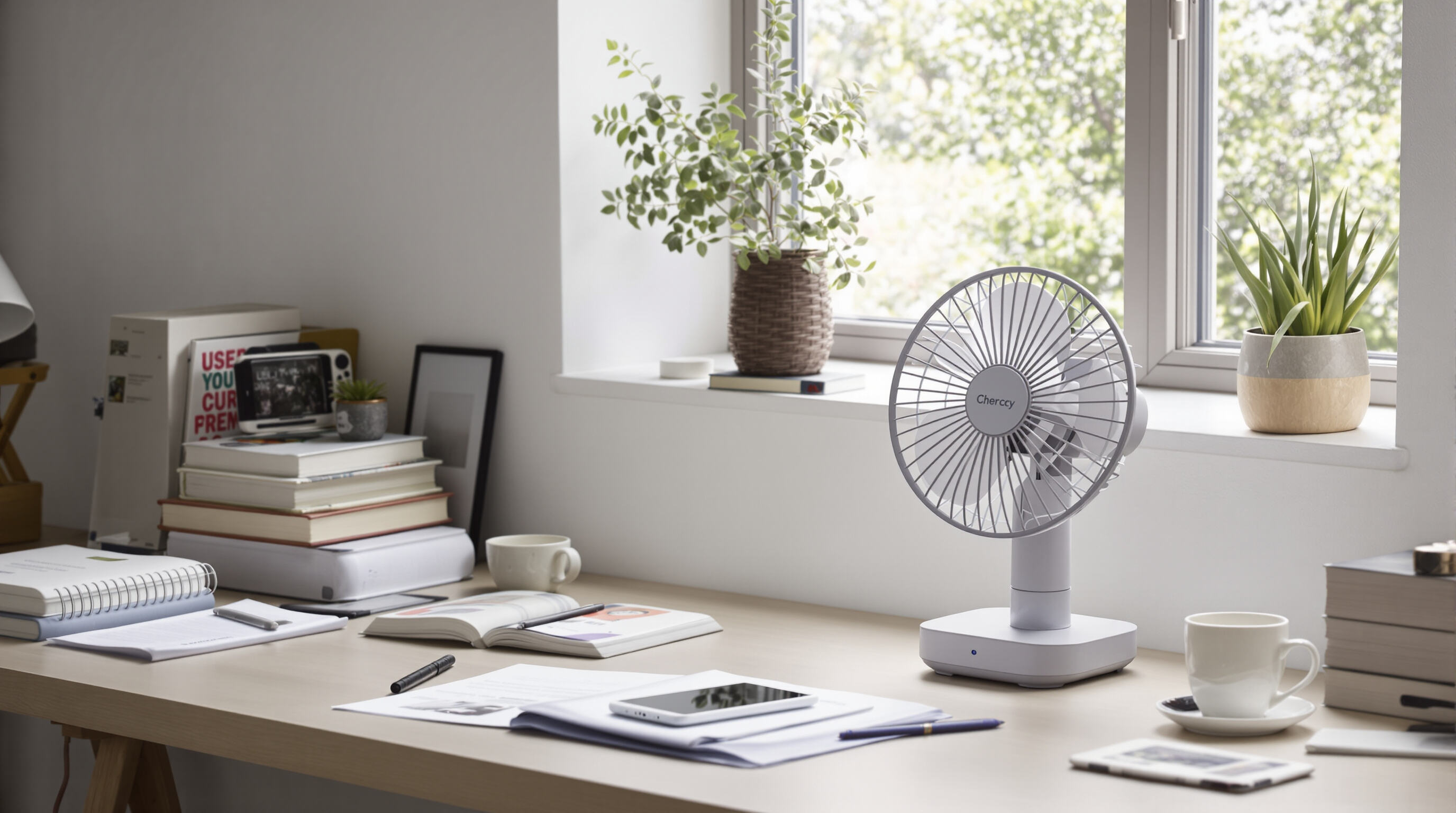
Compact Form Factor Ideal for Small Rooms and Desks
Rechargeable fans with their light weight and thin build work great in tight spots where space is at a premium. Most have blades that fold up and bases that can be adjusted, so they sit nicely on desks, bookshelves, even window sills without getting in the way when moving around. Looking at what people want these days, a recent study from 2024 showed something interesting about portable appliances. Around 7 out of 10 folks surveyed said they go for fan models that are less than 12 inches tall for desk placement. Makes sense really, since smaller units deliver focused cooling while taking up hardly any room at all.
Flexible Use Across Home, Office, and Outdoor Environments
The lack of cords means these devices can move around freely from one spot to another. Great for when someone needs them on a patio, in the garage, or even when there's no electricity. The outside casing is pretty tough too, so if it gets dropped or splashed with water, it usually survives without issues. That makes them quite versatile for different situations. Offices often stick one under a desk to keep workers cool without affecting others nearby. At home, many people use them alongside their regular heating and cooling system, especially in busy spots like the kitchen where temperatures tend to fluctuate more than anywhere else in the house.
Long-Lasting Battery Performance and Charging Convenience
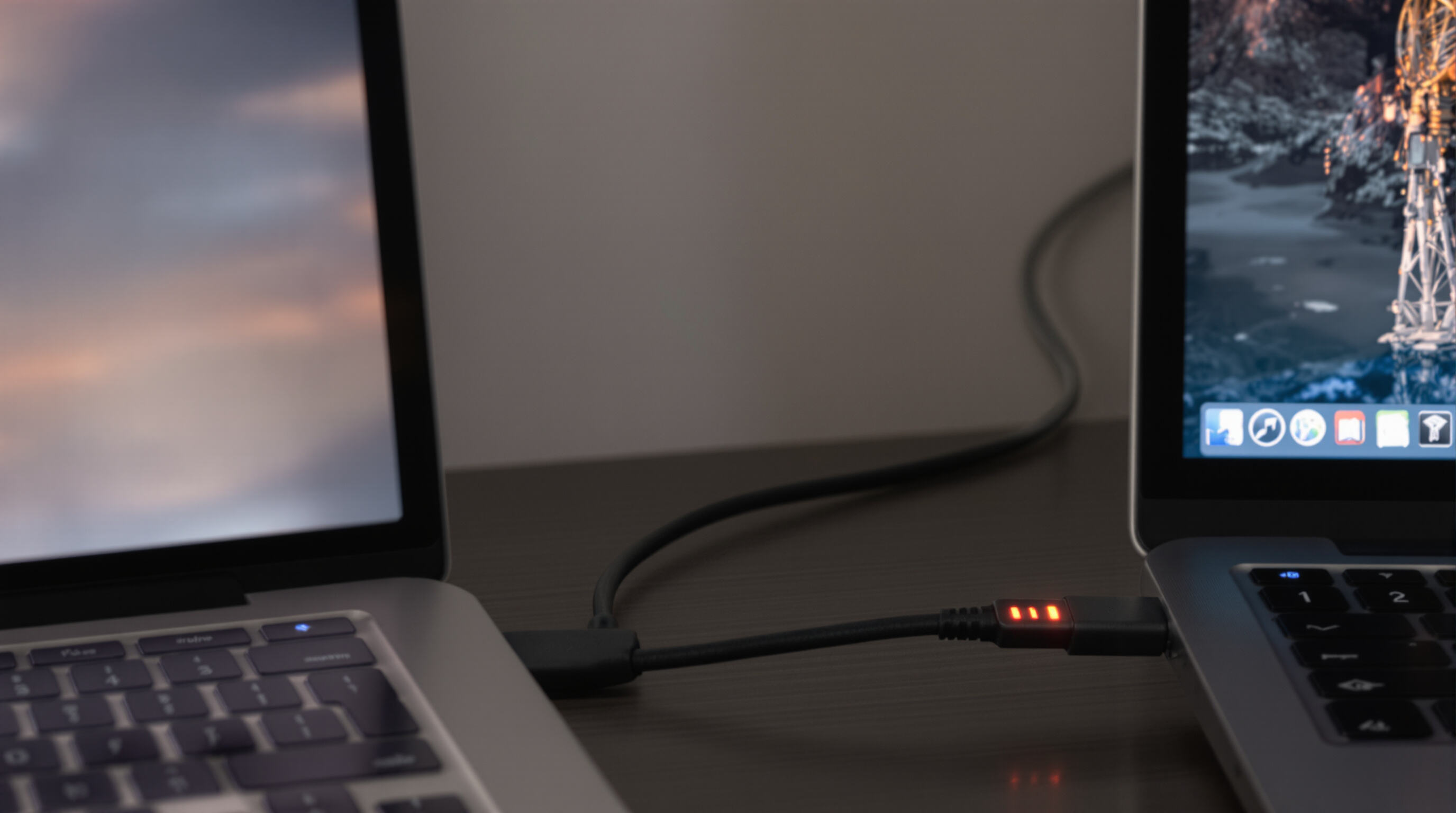
Typical Battery Life and Charging Times for Rechargeable Fans
Most modern rechargeable fans offer 8–12 hours of continuous runtime on a single charge, with full recharge times between 1–3 hours via USB-C. Lithium-ion models retain 90% of their capacity after 500 charging cycles, making them durable for long-term use. This performance supports overnight operation and outdoor activities without access to power outlets.
USB Rechargeable vs. Traditional Battery-Operated Fans: Key Differences
| Feature | USB Rechargeable Fans | Traditional Battery Fans |
|---|---|---|
| Charging Time | 1.5–3 hours | Instant battery replacement |
| Long-Term Cost | $0.02–$0.05 per charge cycle | $15–$30/year in disposable cells |
| Environmental Impact | Zero battery waste | 120+ discarded batteries annually |
Eliminating disposable batteries also reduces device weight by 19–32%, enhancing portability.
Technological Advances in Rechargeable Battery Efficiency
Lithium iron phosphate (LiFePO4) batteries enable 40% faster heat dissipation during charging compared to older nickel-based designs. Adaptive current modulation reduces energy input at 80% charge to prevent overheating, a critical safety upgrade not found in pre-2020 models.
Balancing High Performance with Sustainable Charging Cycles
Smart charging algorithms extend battery lifespan to 4–7 years by:
- Limiting maximum charge to 95% during daily use
- Triggering full discharge cycles monthly to recalibrate cells
- Adjusting voltage based on ambient temperature
These features reduce energy waste by 22% compared to basic systems while preserving consistent airflow performance.
Energy Efficiency and Environmental Advantages of Rechargeable Fans
Reducing Energy Consumption and Carbon Footprint with Rechargeable Models
Getting rid of those throwaway batteries makes a big difference for rechargeable fans. A single lithium ion battery can take the place of more than 500 regular ones, cutting down what ends up in landfills by around 90%. These fans actually use about 70% less electricity compared to old fashioned AC systems too. For someone running theirs four hours each day, that means roughly 50 kilograms less carbon going into the atmosphere every year. Plus lots of newer models now come with parts made from materials that can be recycled later on, plus motors designed to save energy throughout their lifespan. This approach fits right into efforts to build products that last longer and leave smaller environmental footprints overall.
Long-Term Cost Savings Through Efficient Power Usage
Rechargeable fans might cost around 20 to 30 percent more initially, but they actually end up saving money over time. Homeowners typically save between fifteen and twenty-five dollars each year just from not having to buy replacement batteries anymore. Plus these fans cut down on electricity bills by somewhere around forty to sixty bucks annually when compared with running an air conditioner all day long. Most models draw only about five to ten watts of power and can run for eight to twelve hours after being charged. When looking at the big picture, this means their lifetime operating costs come out to roughly eighty percent less than what traditional cooling systems would require. And really, who doesn't want something that's good for both their wallet and the planet?
Smart Features and Enhanced User Experience in Modern Rechargeable Fans
Timer and Auto Shut-Off for Safety and Convenience
Programmable timers allow users to set automatic shutdown after a preset period, conserving energy and enhancing safety. Auto shut-off prevents battery drain during idle periods, particularly useful in bedrooms or unattended office spaces. These features contribute to an average 20% longer battery cycle life compared to non-automated models.
Integration of Smart Controls and Quiet Operation Technology
Top-tier models support voice commands and app-based controls through smart home integration, enabling real-time adjustments to oscillation and airflow. Environmentally adaptive sensors modulate performance based on room temperature and occupancy, reducing energy waste by 18–34% in climate-controlled settings. Brushless motors operate below 30 dB, ensuring quieter performance than traditional fans.
Cooling Effectiveness in Confined Spaces: Power vs. Noise Levels
Compact centrifugal blade designs deliver focused airflow with minimal turbulence. High-efficiency motors generate 150–220 CFM in spaces up to 10m² while maintaining noise levels under 45 dB, comparable to light rainfall. This balance enables effective cooling in home offices, studio apartments, and shared workspaces without disruptive noise.
FAQs About Rechargeable Fans
Are rechargeable fans more environmentally friendly than traditional fans?
Yes, rechargeable fans are more environmentally friendly as they reduce battery waste and use significantly less energy compared to traditional fans.
How can rechargeable fans save on energy costs?
Rechargeable fans consume less electricity and eliminate the need for disposable batteries, leading to lower energy costs over time.
Do rechargeable fans provide effective cooling in small spaces?
Yes, they deliver focused airflow ideal for cooling small spaces without occupying much room.
What are key differences between USB rechargeable fans and traditional battery-operated fans?
Key differences include charging methods, cost efficiency, and environmental impact, with USB rechargeable fans offering longer-term cost savings and reduced battery waste.