 EN
EN
 AR
AR
 DA
DA
 NL
NL
 FI
FI
 FR
FR
 DE
DE
 EL
EL
 HI
HI
 IT
IT
 JA
JA
 KO
KO
 NO
NO
 PL
PL
 PT
PT
 RO
RO
 RU
RU
 ES
ES
 SV
SV
 TL
TL
 IW
IW
 ID
ID
 VI
VI
 HU
HU
 TH
TH
 TR
TR
 FA
FA
 AF
AF
 MS
MS
 SW
SW
 BN
BN
 HA
HA
 IG
IG
 KM
KM
 LO
LO
 YO
YO
 ZU
ZU
 MY
MY
 AM
AM
 KU
KU
Harnessing the Sun: Solar Fan Options for Sustainable Air Circulation
How Solar Attic Fans Reduce Cooling Costs and Improve Energy Efficiency
The connection between attic temperature and HVAC efficiency
During those hot summer months, attics often get up to around 150 degrees Fahrenheit or even higher, turning them into giant heat traps. This makes air conditioners struggle way more than they should. That's where solar attic fans come in handy. These little devices help kick out all that blazing hot air before it starts seeping down into the actual living areas of the house. The Department of Energy did some research back in 2023 and found something interesting too. They discovered that if we manage to lower attic temperatures just by 10 degrees Fahrenheit, the time our heating and cooling systems need to run drops between 9% and 12%. Pretty impressive savings when you think about it.
Comparative analysis: Solar vs. electric attic fans in energy use
| Factor | Solar Attic Fans | Electric Attic Fans |
|---|---|---|
| Energy Source | Sunlight | Grid electricity |
| Monthly Operating Cost | $0 | $5-$12 |
| CO2 Emissions | 0 lbs/year | 180-400 lbs/year |
| Peak Performance | Matches sunlight intensity | Fixed speed |
Solar models eliminate vampire energy drain while delivering 85-90% of the airflow produced by 120V units, making them far more efficient during peak heating hours.
Quantifying energy savings: Data from Department of Energy studies
Homes with solar attic fans experience measurable benefits:
- 12-30% reduction in annual cooling costs in climate zones 2-4
- 18 fewer minutes of daily HVAC operation per 1,000 sq. ft.
- Full return on investment within 2.7 years through combined energy and roof preservation savings
Real-world efficiency data from ENERGY STAR-recognized models
Top-rated solar attic fans tested in 2024 deliver:
- 1,550-2,100 CFM airflow using only 18-45W solar panels
- 97% reliability in maintaining attic temperatures below 120°F
- A 14% average improvement in HVAC efficiency when used with radiant barriers
Case study: 30% cooling cost reduction in Phoenix residential homes
A 12-month analysis of 50 Phoenix homes found that solar attic fans:
- Saved an average of $584 annually on cooling
- Reduced attic moisture by 63%
- Extended HVAC compressor lifespan by 22%
- Achieved an 87% homeowner satisfaction rate for consistent indoor temperatures
These results confirm solar attic fans as a high-impact upgrade for homes in hot climates.
Lowering Attic Temperatures with Solar-Powered Ventilation Systems
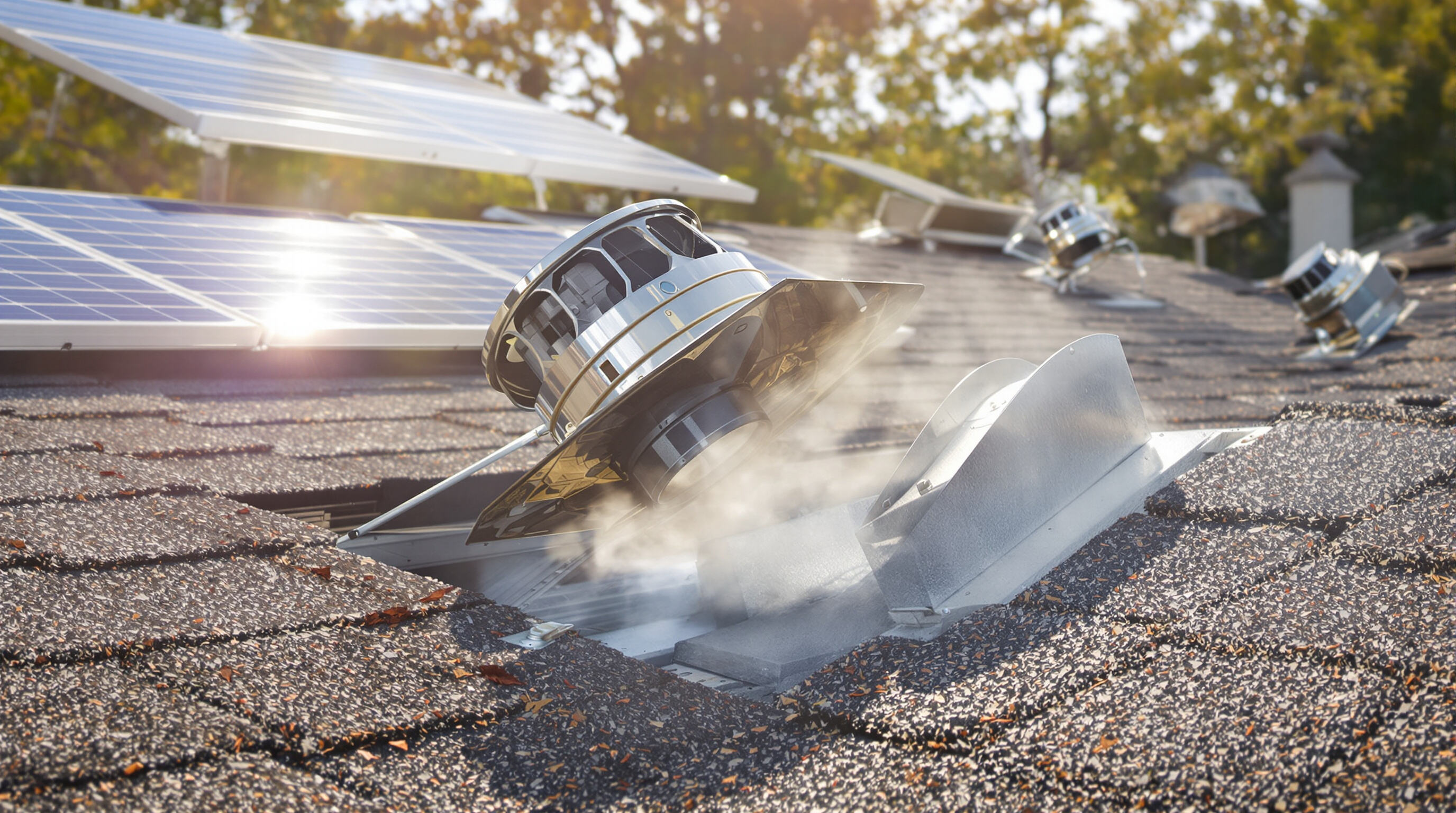
How Solar-Powered Attic Fans Work to Expel Superheated Air
Attic fans powered by solar energy work with those PV panels we see on rooftops to move hot air out of attics. When the temperature inside an attic starts climbing, the built-in solar panel kicks in to generate power for the fan motor. This creates what's called negative pressure, which basically means it pushes out all that trapped hot air and pulls in cooler air from outside through those soffit vents along the eaves. These systems run themselves automatically when the sun is at its strongest, right when attics get hottest, so there's absolutely no need for regular electricity from the grid. The constant airflow can drop attic temps anywhere between 30 to 50 degrees Fahrenheit, which makes a big difference in how hard air conditioners have to work. Newer models come equipped with temperature sensors that tweak the fan speed depending on how much hotter it gets inside compared to outside, making sure everything works just right without anyone needing to mess with controls.
Impact of Sustained High Attic Temperatures on Roofing Materials
When attics get too hot for extended periods, especially over 130 degrees Fahrenheit, it really takes a toll on roofing materials. The intense heat cuts down how long asphalt shingles last, sometimes by as much as half, because they expand and contract so often in these conditions. This constant movement causes problems like warped decking boards and compromised sealant around the edges. Insulation doesn't perform well either when exposed to extreme heat. Fiberglass batts, for instance, tend to lose about 40% of their insulating power if left in consistently high temperatures. That's why many homeowners install solar vents these days. These devices help keep attic temps somewhere between 85 and 95 degrees, which makes all the difference for maintaining roof structure and keeping insulation working properly for years longer than it would otherwise.
Proper Sizing and Installation of Solar Fans for Optimal Airflow
Getting good results from attic fans really comes down to matching the right fan size with the space it needs to cool. According to the Solar Rating and Certification Corporation, most attics need about one cubic foot per minute of airflow for each square foot of space, though this can change based on local weather conditions and how the roof was built. When pros install these systems, they look at things like how steep the roof slopes, where there might be obstacles blocking airflow, and what kind of ventilation already exists before placing the unit where it will get the best sun exposure and move air effectively. A well sized system should cycle through all the air in an attic 10 to 15 times every hour, which is considered normal for keeping temperatures and humidity levels under control. Many people who try installing these themselves end up missing important factors about how air actually moves through spaces, which leads to systems that just don't work as intended. That's why experienced technicians matter so much - they know how to make sure everything fits properly without compromising the integrity of the roof while also protecting against water damage and other issues.
Preventing Moisture and Mold in Attics Through Solar Air Circulation
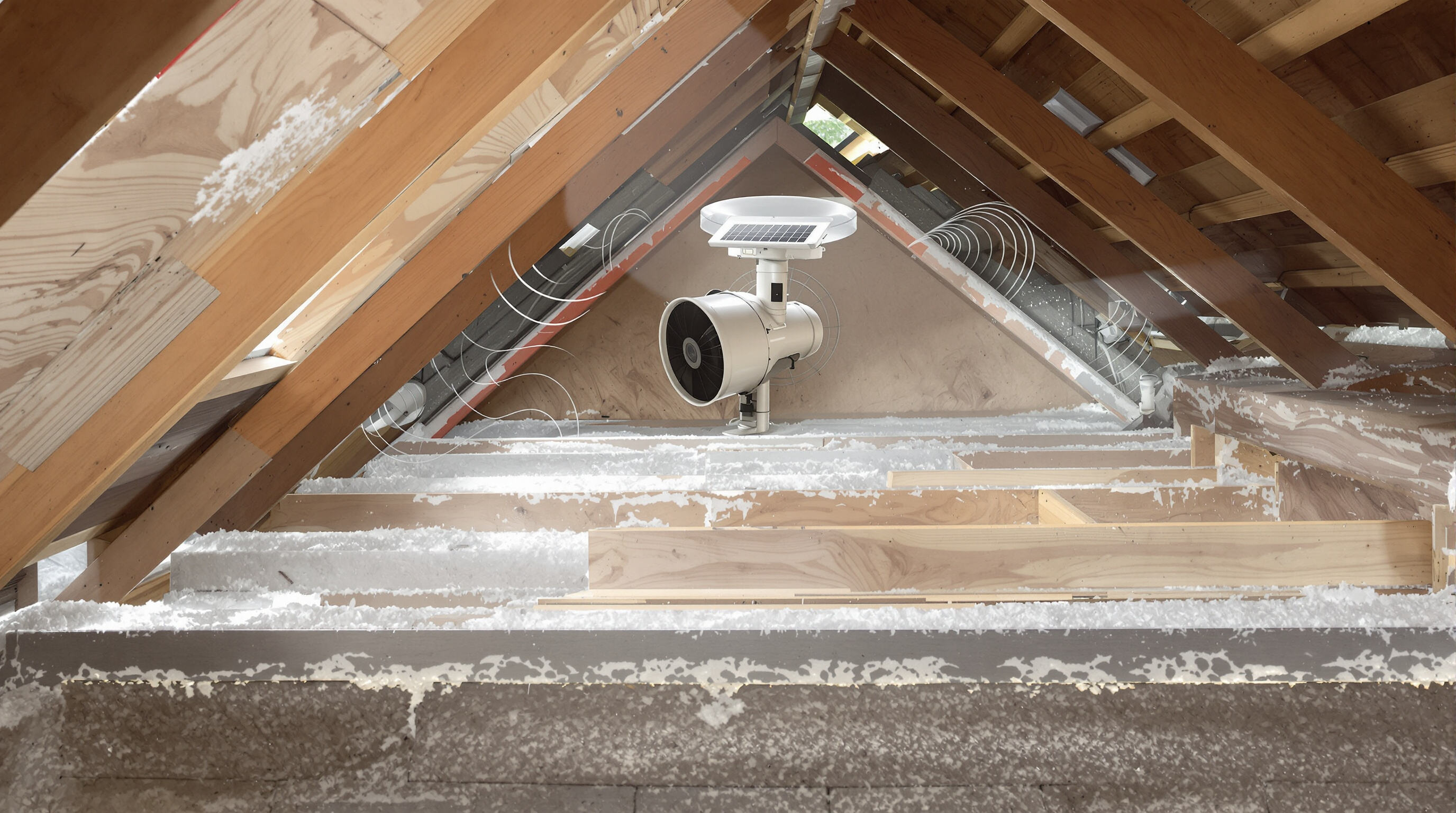
The Science of Attic Condensation and Its Structural Risks
When warm, moist air from inside moves upward through the house, it meets the cold surface of the roof in attics where it turns into water droplets. What happens next can be a real problem for homeowners. The moisture leads to wood rot issues, something that affects roughly one out of every five houses that don't have good attic ventilation. Plus, all this dampness makes insulation work much less effectively, sometimes cutting its efficiency down by as much as forty percent. That's where solar powered attic fans come in handy. These devices keep moving air through the space constantly, pushing out the humid stuff before it has a chance to form condensation. By doing so, they help maintain humidity levels under fifty percent, which is generally considered safe territory since most molds won't grow at those levels.
Case Study: Mold Reduction in Humid Climates Using Solar Fans
In coastal areas with average humidity above 80%, a 2023 study of 120 homes found solar attic ventilation reduced mold-related structural issues by 68% compared to passive vents. A Louisiana installation demonstrated significant improvements:
| Metric | Before Solar Fan | After 6 Months |
|---|---|---|
| Attic Humidity Levels | 72% | 47% |
| Visible Mold Colonies | 14 | 2 |
| Wood Moisture Content | 19% | 9% |
Continuous airflow disrupted mold spore settlement and prevented the stagnant, warm conditions that promote fungal growth, as reported by the Home Ventilation Institute (2023).
Environmental Benefits and Long-Term Sustainability of Solar Fans
Reducing Carbon Footprint Through Solar-Powered Ventilation
Switching to solar attic fans cuts down around 2 tons of CO2 emissions each year for every home, according to data from the Department of Energy in 2023. Regular attic fans typically guzzle between 300 and 600 watts of electricity, whereas their solar counterparts run without producing any emissions at all while still moving similar amounts of air, somewhere between 160 to 400 cubic feet per minute. Making this change can lower a house's overall carbon impact by roughly 8 to 12 percent yearly. The effect gets even better when homeowners pair these fans with other improvements that save energy throughout the property.
How Solar Fans Decrease Reliance on Grid-Powered AC Systems
By maintaining cooler attic temperatures, solar-powered ventilation reduces air conditioning runtime by 25-40% during summer peak periods. According to the 2024 Solar Market Report, homes with solar fans achieve 18% greater energy independence than those relying on conventional cooling supplements, particularly in sun-rich regions.
Lifecycle Analysis: Eco-Friendly Home Improvements With Long-Term Impact
| Metric | Solar Fan | Electric Fan |
|---|---|---|
| 10-Year Energy Use | 0 kWh | 3,650 kWh |
| Production Emissions | 120 kg CO2 | 85 kg CO2 |
| Recyclability Rate | 92% | 45% |
Lifecycle assessments show solar attic fans offset their manufacturing emissions within 14 months of operation and deliver 82% lower total environmental impact over 15 years compared to electric models.
Trend Analysis: Rising Adoption in Net-Zero Energy Homes
Solar fan installations in energy-efficient homes grew 210% between 2020 and 2023, with 68% of new net-zero energy homes now incorporating photovoltaic ventilation systems. This growth aligns with building codes in 23 states that require solar-ready attic infrastructure for residential projects over 2,500 sq. ft.
FAQ
What are the main benefits of using solar attic fans?
Solar attic fans significantly reduce cooling costs, improve HVAC efficiency, decrease reliance on grid-powered AC systems, and lower carbon footprint of homes. They also provide durable solutions for managing attic temperatures to protect roofing materials and prevent mold growth.
How do solar attic fans differ from electric attic fans?
Solar attic fans are powered by sunlight, have no operating costs, and emit no CO2. Electric attic fans rely on grid electricity, incur monthly costs, and produce significant carbon emissions. Solar fans also have variable performance based on sunlight, whereas electric fans operate at a fixed speed.
Can solar attic fans help in humid climates?
Yes, in humid climates, solar powered ventilation systems effectively manage attic moisture, reducing mold-related structural issues by maintaining airflow and disruptive potential mold spore settlement.
Why is proper installation of solar fans important?
Proper installation ensures optimal airflow and prevents water damage, leaks, and poor ventilation efficiency. Professionals assess factors such as roof slope, obstructions, and sunshine exposure for best results.