 EN
EN
 AR
AR
 DA
DA
 NL
NL
 FI
FI
 FR
FR
 DE
DE
 EL
EL
 HI
HI
 IT
IT
 JA
JA
 KO
KO
 NO
NO
 PL
PL
 PT
PT
 RO
RO
 RU
RU
 ES
ES
 SV
SV
 TL
TL
 IW
IW
 ID
ID
 VI
VI
 HU
HU
 TH
TH
 TR
TR
 FA
FA
 AF
AF
 MS
MS
 SW
SW
 BN
BN
 HA
HA
 IG
IG
 KM
KM
 LO
LO
 YO
YO
 ZU
ZU
 MY
MY
 AM
AM
 KU
KU
Rechargeable Table Fan Comparison: Battery Capacity vs. Runtime
Battery Capacity Basics for Rechargeable Table Fans
Understanding mAh Ratings and Voltage
When looking at battery capacity for rechargeable table fans, getting familiar with mAh ratings and voltage makes all the difference. The term mAh stands for milliampere-hour, basically telling us how much energy the battery can store. This number gives an idea of how long the fan will keep running before needing another charge. Fans with bigger mAh numbers tend to last longer between charges, which matters a lot if someone needs cooling throughout the day. Voltage works differently but just as importantly. It refers to the electrical pressure pushing power through the fan motor. These two specs work together to determine overall performance. Most users find that fans with both high mAh and decent voltage levels perform better in real world conditions, though there are always tradeoffs depending on specific needs and budget constraints.
How Battery Type Impacts Performance
What kind of battery powers a rechargeable table fan really matters when it comes to how well it works. Most models use either Lithium-ion or NiMH batteries, both with their own advantages. Lithium-ion versions charge quicker, weigh less on the fan itself, and generally last longer between charges than the older NiMH technology. But don't overlook NiMH just yet they tend to be cheaper upfront costs and work better in cold environments where Lithium might struggle. The actual quality of the battery makes all the difference too. Good ones come with built-in protections that stop them from getting too hot during operation, which extends how long they'll keep working properly. For anyone planning to run their fan nonstop through summer nights, investing in a decent quality battery is money well spent despite the higher initial price tag.
Calculating Real-World Runtime Estimates
To figure out how long a rechargeable table fan will actually last between charges, there's a basic calculation involving battery capacity and power consumption. Most folks use this rough equation: take the battery capacity in milliamp hours, divide it by the fan's wattage, then multiply by voltage. Let's say we have a fan rated at 10 watts with a 5000 mAh battery pack. That math usually gives around 5 hours of operation before needing another charge. But wait! Real world results often differ because people don't always run their fans at maximum speed all day long. Fans set to high speed or those with extra features such as built-in lighting tend to eat through batteries much quicker. So when looking at these numbers for shopping purposes, remember they're just ballpark figures. Actual runtime depends heavily on individual usage habits and what settings someone prefers throughout the day.
Solar-Powered vs. Battery-Operated Fan Efficiency
Solar Attic Fan Charging Mechanics
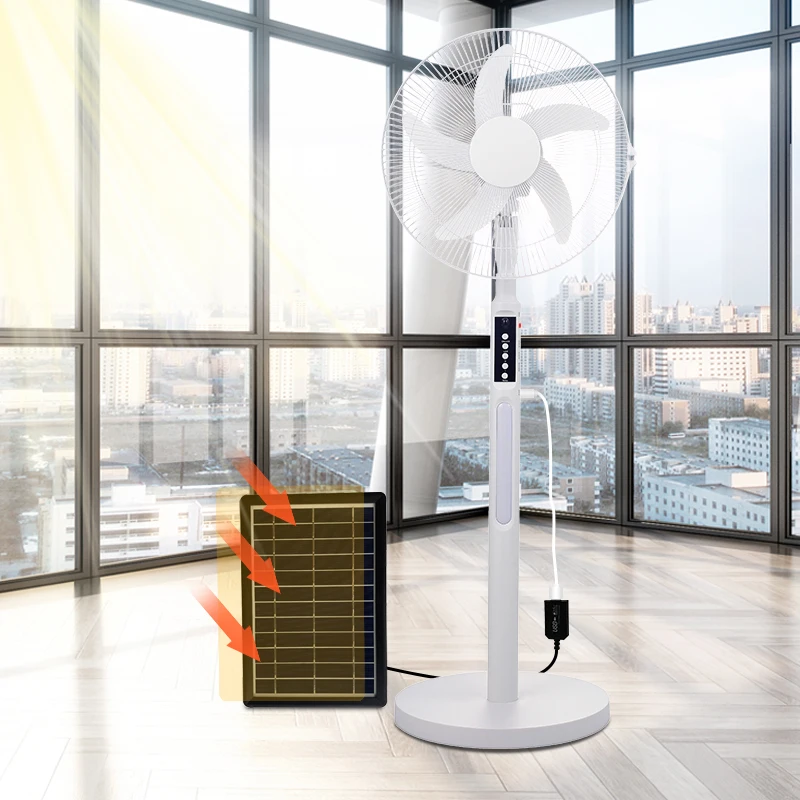
Solar attic fans work pretty well because they take advantage of sunlight to generate power via those solar panels we see all over rooftops these days. The panels themselves have those little photovoltaic cells inside them that turn sunshine directly into electricity to run the fan motor. For folks living off the grid or wanting to cut down on monthly bills, these fans offer real money savings since they basically eat free sunlight instead of drawing from the grid. But there's a catch worth mentioning here too. On cloudy days or during winter months when sun hours drop off, the fans just don't perform as strongly. That's why many homeowners install tiny batteries alongside their systems. These store extra solar power collected during good weather so the fan keeps running even when skies are gray or dark.
Hybrid Models for Camping Scenarios
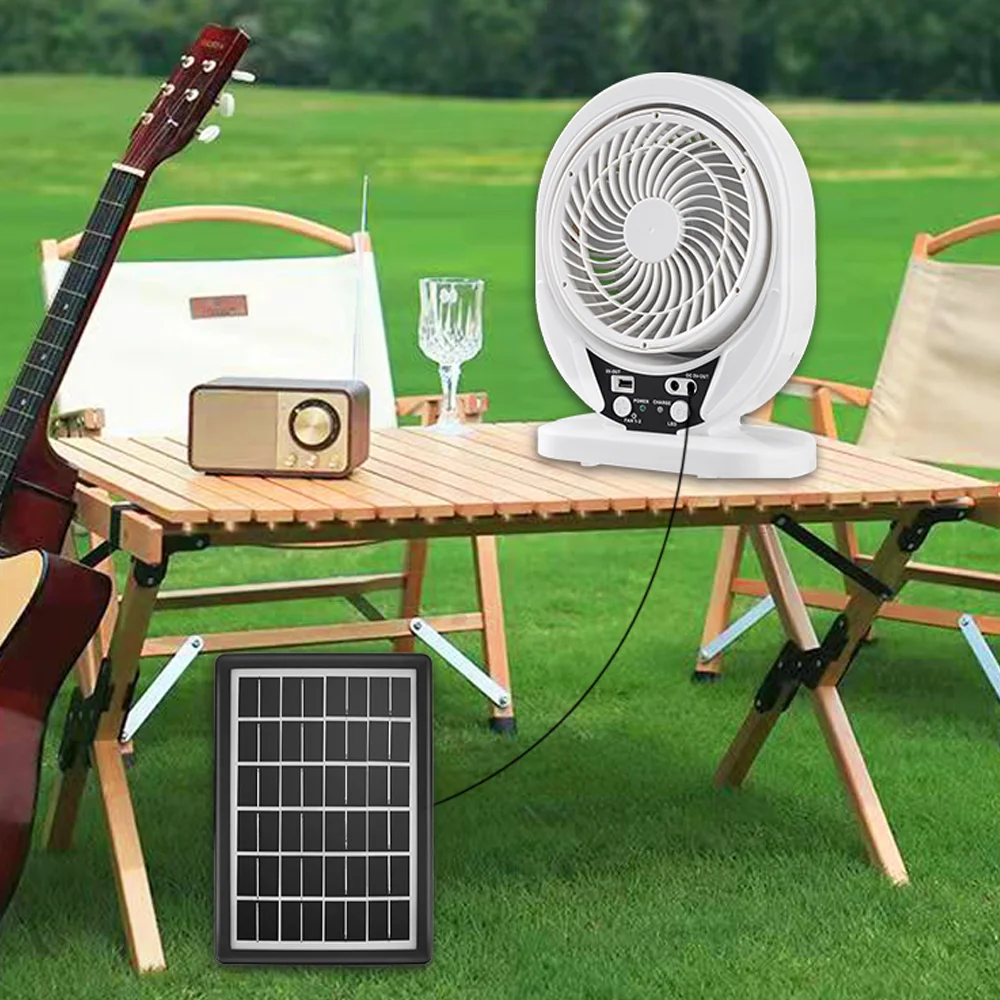
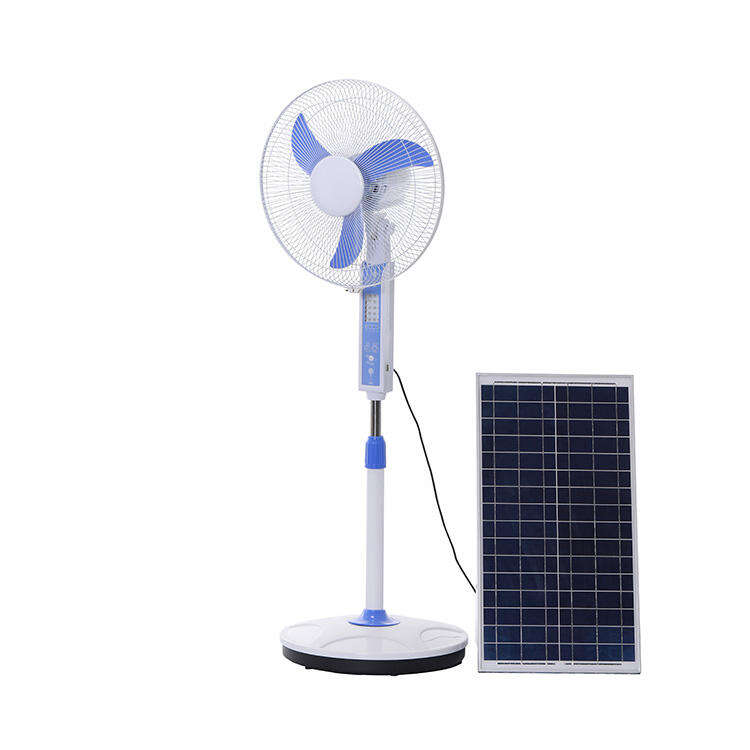
Camping gear lovers are turning to hybrid fans that mix solar panels with batteries for their outdoor adventures. What makes these devices special is how they take advantage of both regular battery backup and sunlight to keep running no matter where campers find themselves. During daylight hours, the fan charges from the sun while drawing power from its internal battery when darkness falls. This back and forth setup means campers get way more runtime than what standard rechargeable fans can manage. For those spending days in remote areas without access to electricity, this kind of dual power system really makes all the difference between comfort and frustration.
Energy Conservation Tradeoffs
Thinking about power usage, people usually have to choose between rechargeable fans and those running on solar power. Rechargeable models generally give strong steady airflow but need frequent charging sessions, something that actually eats up more electricity over months of use. On the flip side, solar powered fans might cost more upfront, yet they save loads of energy down the road. Take folks who made the switch from batteries to solar for example many report cutting their electric bills significantly while feeling better about helping the planet. These real world savings show just how much difference proper energy management can make for everyday consumers.
Performance Factors Beyond Battery Specs
Blade Design and Airflow Efficiency
How blades are designed makes a big difference in how well fans move air around, which affects their overall performance. What matters most is the combination of good materials and smart design choices. Better quality materials last longer obviously, but it's those aerodynamic shapes that really make the fan work harder without extra effort. When manufacturers tweak things like blade angle or add curves to the edges, they actually get more air moving through the space. Some companies have come up with clever solutions too, like those double wing blades we see now and then. These don't just push more air around though they also cut down on annoying noises from the fan running all day long. For people looking at rechargeable table fans specifically, these improvements mean real world benefits. Fans run longer between charges, keep rooms cooler faster, and generally feel more comfortable to sit near during hot summer days.
Motor Technology Impacts on Power Draw
What kind of motor is inside a fan makes all the difference when it comes to how much electricity gets eaten up and how well it actually works. Most fans come with either brushed or brushless motors, though brushless ones tend to perform better because there's less friction involved plus they last longer before needing replacement. Take DC brushless motors for instance these newer technologies pull significantly less power from wall sockets compared to those old fashioned AC motors found in many household appliances. Looking at recent market trends shows something interesting happening too modern day fan motors are consuming around 30% less energy than what was typical just five years ago according to some manufacturer reports. For homeowners watching their monthly bills, this means real money savings over time while also doing something good for the planet at the same time.
Climate Conditions Affecting Runtime
The way fans perform and how long their batteries last really depends on the climate around them, especially when it comes to temperature and humidity levels. When temps go up, fans actually work better because they need less juice to push air around, but this heat takes a toll on battery life too. Things get tricky in colder spots where fans have to work harder, which means shorter run times overall. People who live in areas with big seasonal changes notice this difference firsthand. Some folks say their fans last much longer through winter than they do in the sweltering summer heat. If someone wants to get the most out of their fan no matter what season it is, adjusting the speed settings makes sense. Pointing the blades at certain angles helps too. Getting these little details right can make all the difference between a fan that runs for hours or one that dies before dinner time.
Optimizing Usage for Maximum Longevity
Charge Cycles and Battery Health Maintenance
Getting a handle on how charge cycles work makes all the difference when trying to get more life out of rechargeable batteries in ceiling or desk fans. Basically, a charge cycle happens when a battery goes from fully charged down to empty and then back up again. Keeping things balanced across these cycles helps batteries perform better in the long run. Most folks don't realize this, but letting a battery drain completely before charging is actually bad news. Better idea? Start charging when there's still around 20% left in the tank. Doing this regularly slows down the inevitable decline in performance while giving the battery more total cycles before it needs replacing. Industry data shows batteries cared for properly tend to last about double what they would if people kept letting them go flat every time. Makes sense really when thinking about how much money we spend replacing old batteries year after year.
Multi-Speed Settings for Energy Management
Rechargeable table fans with multiple speed options actually help save energy in the long run. When folks pick the right speed for what they need, batteries last longer without sacrificing airflow quality. Most people start on low when it's not too hot, then crank it up as temperatures rise. Some tests indicate that running fans on lower settings cuts down energy usage around 30 percent. That makes sense because slower blades don't draw as much power. Anyone wanting to stretch their battery life should experiment with different speed levels throughout the day. Finding that sweet spot between comfort and conservation is worth the effort, especially during those sweltering summer afternoons when every bit of charge counts.
Ideal Applications for Portable Camping Fans
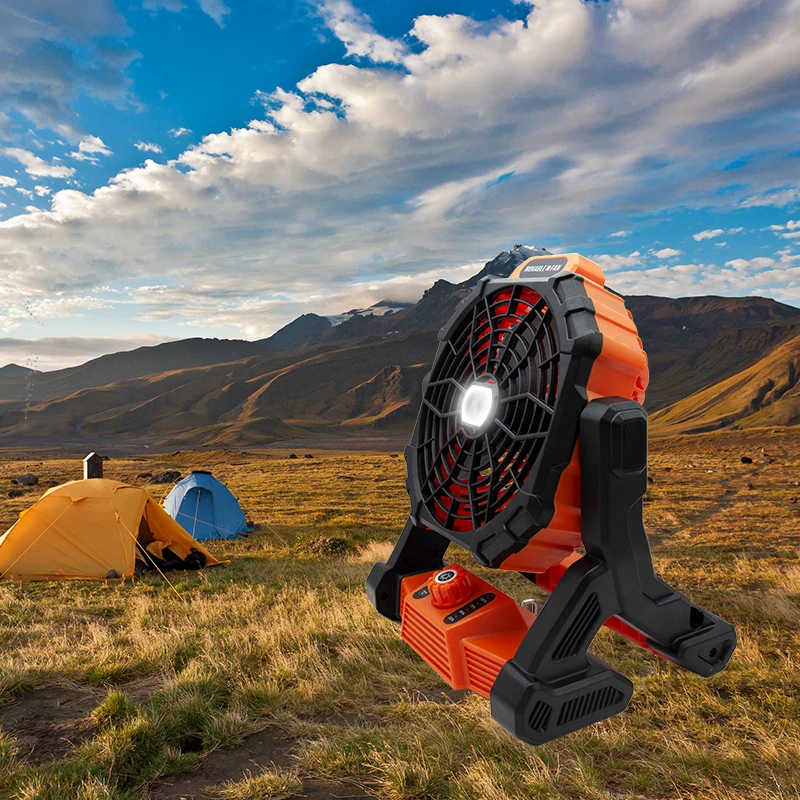
Portable camping fans work great across all sorts of outdoor settings, giving folks needed cool air no matter what Mother Nature throws at them. These little devices run on different power sources too - some take sunlight, others need regular batteries or those rechargeable packs we all carry around nowadays. Campers love how handy they are when spending nights under the stars, especially since most models fit easily into backpacks and don't weigh much at all. Many come equipped with solar panels for charging while hiking, plus strong clips that attach securely to tents or trees. The extra bits that come with them really make a difference too. Hooks let people hang the fan from branches, while small stands keep it upright on picnic tables or rocky ground. For anyone who gets out there regularly, having one of these fans makes life so much better when temperatures start climbing.