 EN
EN
 AR
AR
 DA
DA
 NL
NL
 FI
FI
 FR
FR
 DE
DE
 EL
EL
 HI
HI
 IT
IT
 JA
JA
 KO
KO
 NO
NO
 PL
PL
 PT
PT
 RO
RO
 RU
RU
 ES
ES
 SV
SV
 TL
TL
 IW
IW
 ID
ID
 VI
VI
 HU
HU
 TH
TH
 TR
TR
 FA
FA
 AF
AF
 MS
MS
 SW
SW
 BN
BN
 HA
HA
 IG
IG
 KM
KM
 LO
LO
 YO
YO
 ZU
ZU
 MY
MY
 AM
AM
 KU
KU
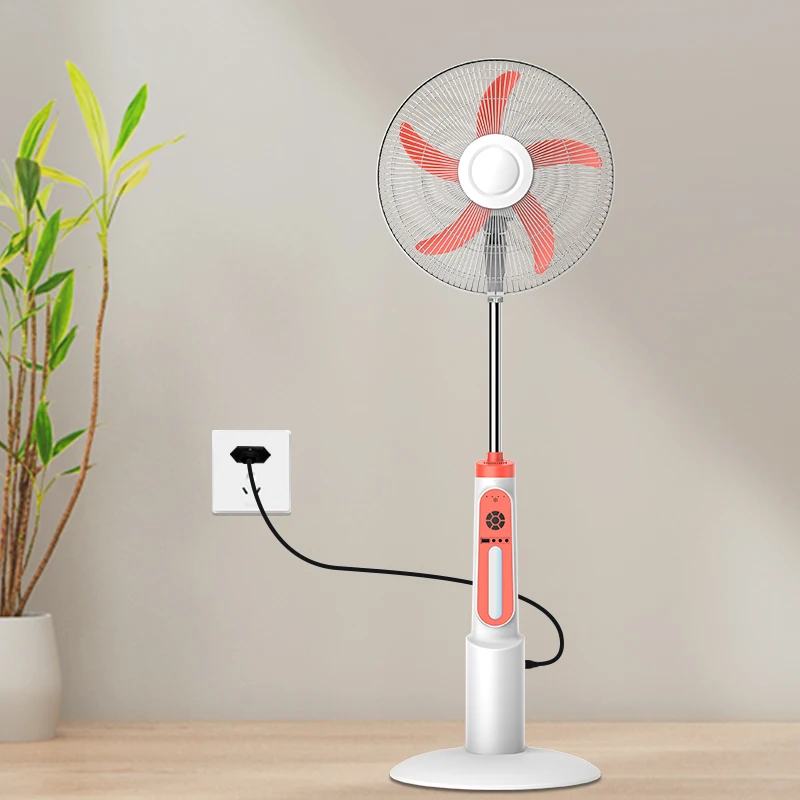
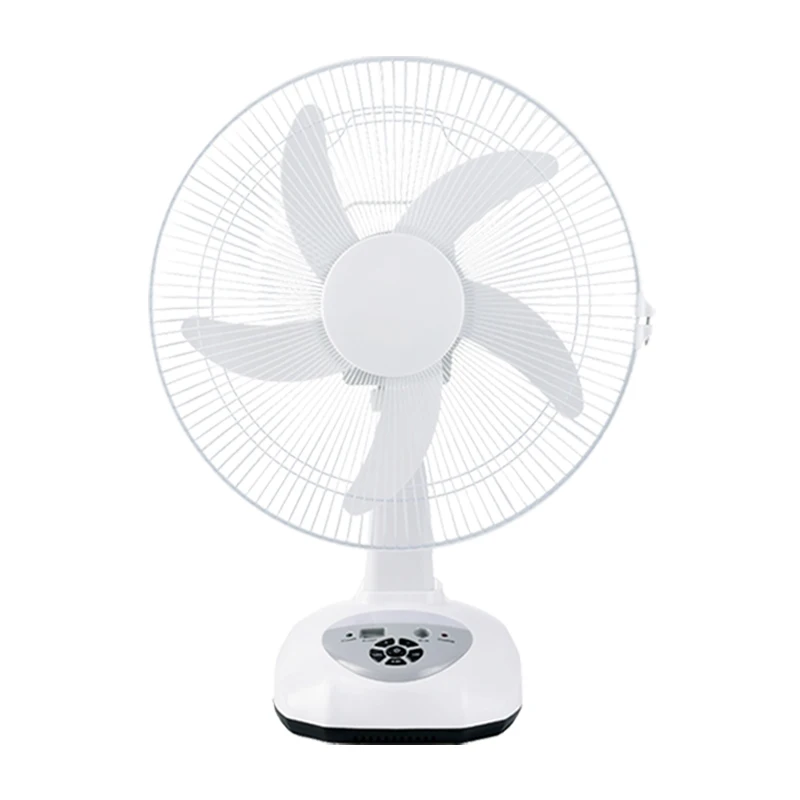
Energy-Saving DC Stand Fan: Cut Costs with Solar Compatibility
How Energy-Saving DC Stand Fans Work with Solar Compatibility
Core Technology: DC Motors vs Traditional AC Systems
DC motors really shine when looking at energy efficiency versus old school AC systems. These motors save around 30 to 50 percent on energy costs mainly because they consume less power overall. What makes them special is their ability to adjust speed as needed something that works great with solar panels since sunlight levels change throughout the day. This flexibility means fans powered by DC motors keep running smoothly even when there's not much sun shining. Another big plus? DC motors tend to last about a decade longer than their AC counterparts. The reason? They don't produce as much heat during operation, so components don't break down as quickly over time.
Solar Integration: Harnessing Photovoltaic Power
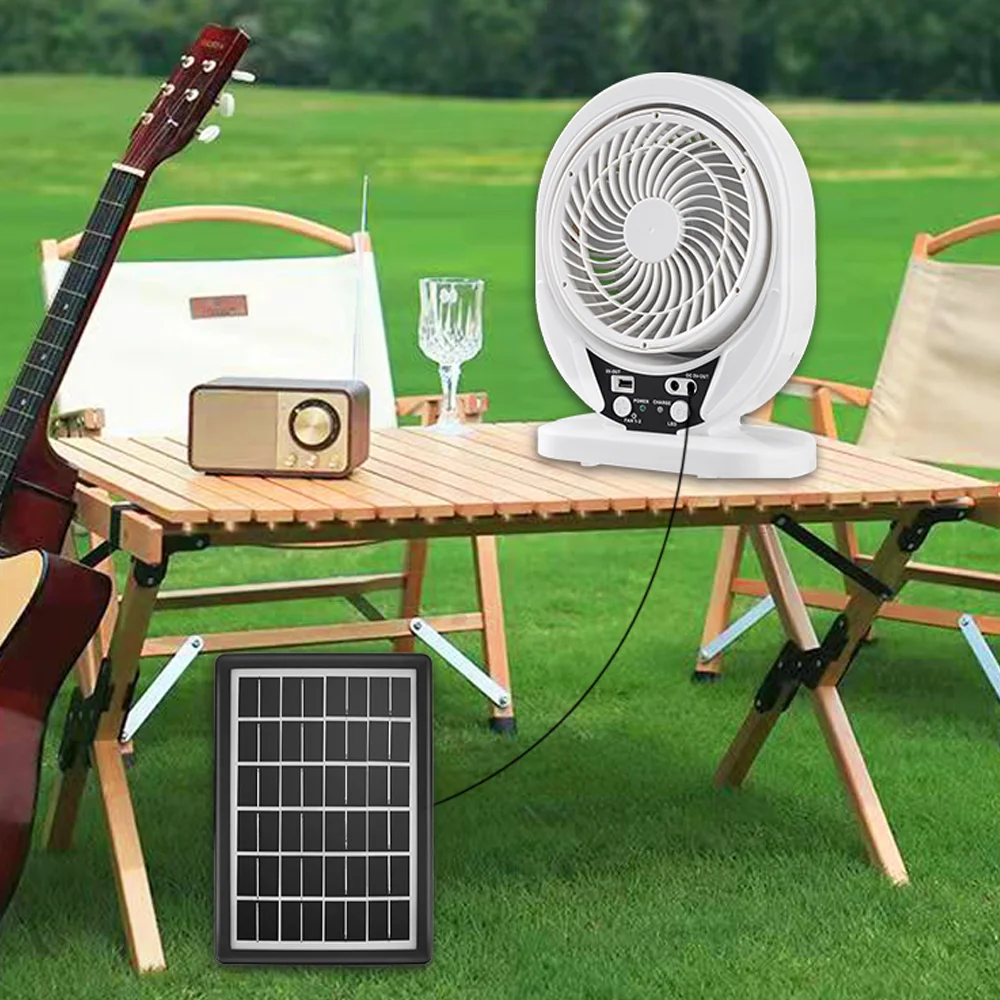
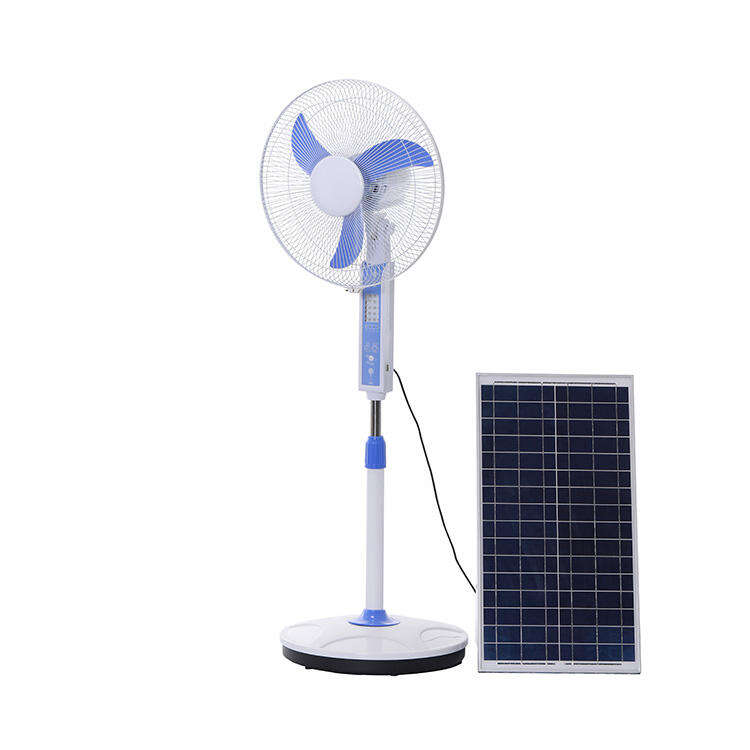
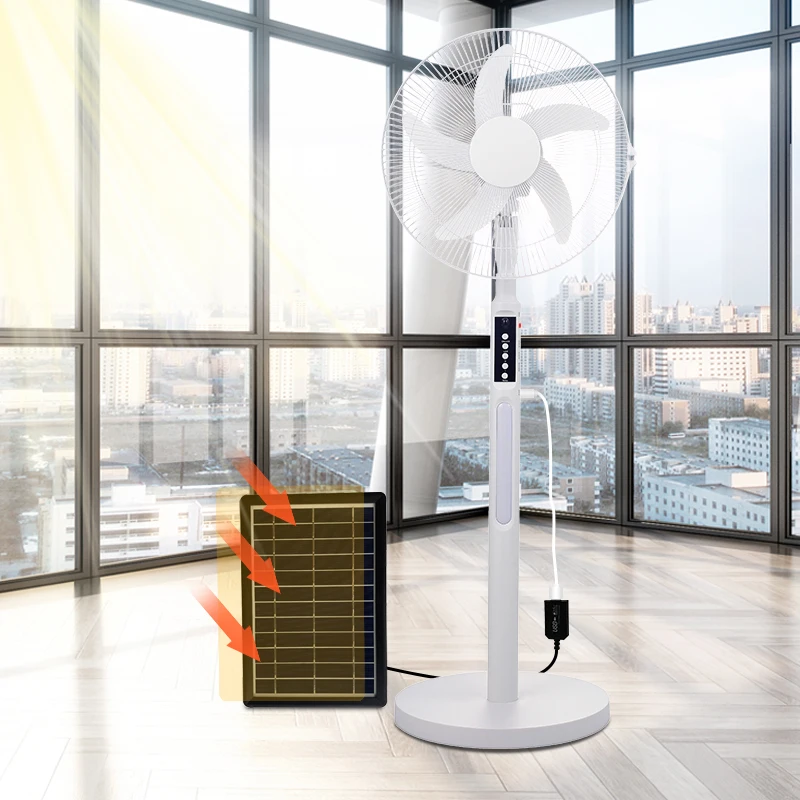
When it comes to adding solar power to DC stand fans, basically what happens is the fan gets connected to those photovoltaic systems so it can actually draw power from the sun. These fans then work without needing to plug into regular electrical grids because they get their juice straight from solar panels which turn sunlight into electricity we can use. Most solar panels that work well with fans usually hit around 15% to 22% efficiency mark, which means they do pretty decent job converting light into power. Looking at numbers across the board, there's been some serious uptake in solar installations lately. Homeowners who install these systems often find themselves covering about 80% or more of their monthly bills through solar alone. That kind of money saving potential makes going green not just good for the planet but also smart financially speaking.
Automatic Power Switching Between Grid/Solar Sources
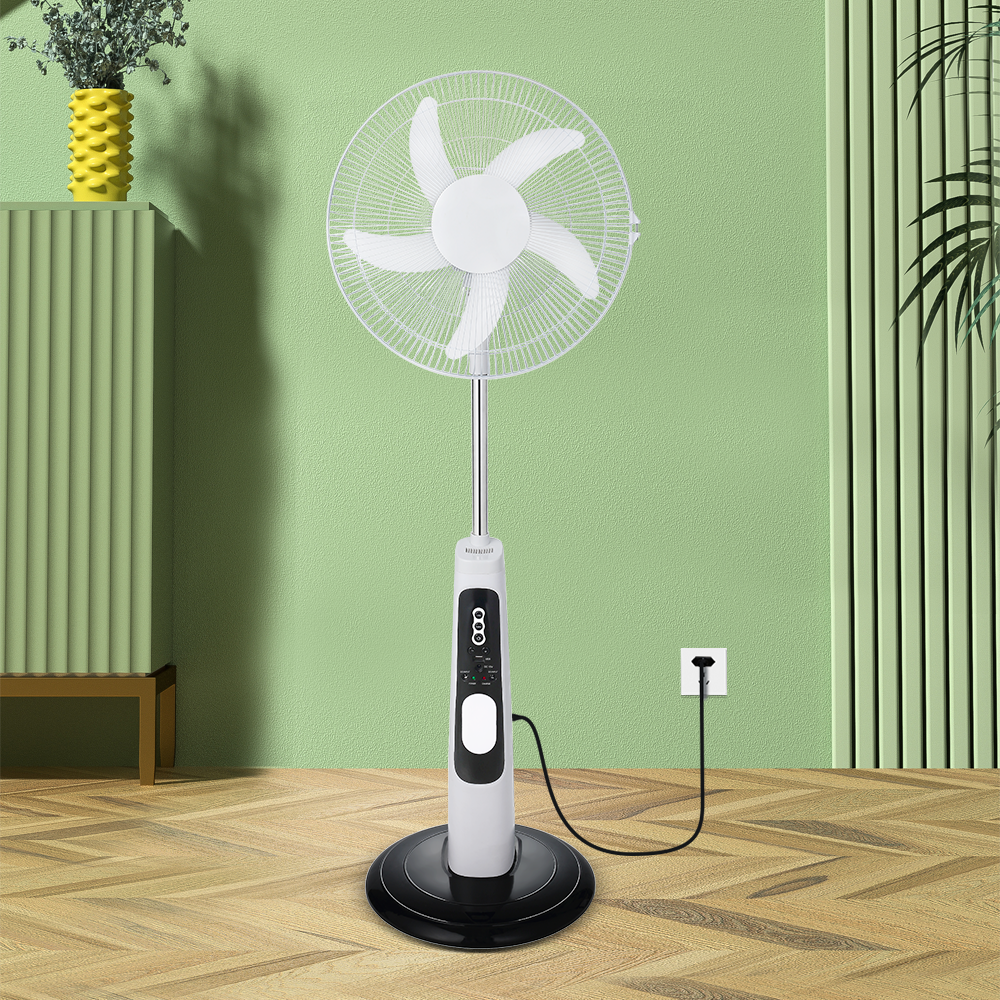
Energy saving DC stand fans can cut costs even further when they switch between regular grid power and solar electricity depending on what's available at any given time. The secret sauce here lies in smart inverters which make the whole process work smoothly without interruption, no matter if it's sunny or cloudy outside. Take for instance those households equipped with these systems who report cutting their monthly electric bills down around 30% year after year. What makes this approach so effective? Well, homeowners get real money off their bills while still enjoying reliable power whenever needed. This kind of tech isn't just theoretical anymore it's making tangible differences in everyday living expenses across many communities.
Cost Savings Comparison: Solar vs Traditional Electric Fans
Reduced Electricity Consumption Analysis
Switching to solar powered fans cuts down on energy use quite a bit when compared with regular electric models. The savings are pretty impressive too many people find they cut power consumption over half what standard fans would require, which means real money saved over time. Take an outdoor fan running off solar panels for example someone who installs one might end up saving several hundred bucks each year on their power bill. Energy experts have noticed this trend growing lately, especially with products like those solar attic fans gaining popularity because they work well while being kinder to the environment. So besides cutting down monthly expenses at home or business, going solar helps protect our planet from unnecessary waste.
ROI Timeline for Solar-Ready Models
Putting money into solar ready fans turns out to be pretty wise financially. Most folks find they get their investment back in around 3 to 5 years give or take. The math works because of all those energy savings stacking up, plus there are often tax breaks available too. And let's face it nobody wants to see their electric bill keep climbing month after month. Looking ahead, experts in the field think this payback period might actually shorten as utility rates continue creeping upward. That's why so many people are switching over now while prices are still reasonable. These fans do double duty really well cooling homes effectively while saving cash in the process. Some homeowners report cutting their summer cooling costs nearly in half once installed properly.
Maintenance Cost Advantages
Solar fans have something going for them that regular fans just don't when it comes to maintenance expenses. They simply have fewer moving parts so there's not much to go wrong, and many owners find themselves spending significantly less on repairs over time. Some estimates put the savings at around 40 percent after five years of use. Industry research backs this up along with what actual users are saying about their experiences. People who switched to solar powered models often mention they spend far less time dealing with maintenance issues compared to before. The combination of reduced costs and hassle free operation really makes sense for anyone looking to cut down on expenses without sacrificing performance in the long run.
Key Features for Optimal Solar Performance
Battery Storage Capacity Requirements
Solar powered fans need good battery storage to keep running when there's no sun shining outside. How big the battery needs to be really depends on where the fan will live most of the time - indoors versus outdoors makes a difference, plus how long people actually want it to run each day. Most folks go with lithium ion batteries nowadays because they just last longer and work better overall compared to old school lead acid types. We're talking about maybe 10 years before replacement for lithium ions versus around 5 years max for those lead acid ones. Companies including Panasonic and Tesla have done all sorts of testing on this stuff, showing why these specs matter so much for regular homes wanting to save money on electricity bills with their solar fans. Getting the right battery size isn't something to skip over if someone wants their solar setup to perform well year round.
PV Panel Efficiency Ratings
How well PV panels work really affects how good solar powered fans perform overall. Most folks go for panels somewhere around 300 to 400 watts when setting up their systems at home. Three main kinds exist on the market today: monocrystalline, polycrystalline, and thin film technology. Monos are top performers because they last longer and convert sunlight better, so these tend to be what people install in their houses. The poly ones don't do quite as well but save money upfront, whereas thin films work best for things that need to move around since they're lightweight and flexible. Looking at actual numbers, better performing panels definitely cut down electricity bills over time. That means spending extra cash initially often pays off in the long run when it comes to getting maximum value from those solar installations.
Weather-Resistant Outdoor Operation
Solar powered outdoor fans need good weather protection if they're going to last through all sorts of conditions including intense heat, heavy rains, and harmful UV rays. Most models use materials like aluminum frames and specially treated plastic parts that hold up well when exposed to tough weather, which means some fans can actually last around 15 years before needing replacement. People who live in very different places report similar results whether they're dealing with tropical humidity or desert droughts. The fans keep working reliably no matter what Mother Nature throws at them. For home owners looking for green ventilation options that won't fall apart after a few storms pass through, these sturdy solar fans make sense. Getting one installed isn't just about saving money over time though it definitely does that too. It shows someone cares about reducing their environmental impact while still getting proper air circulation.
Environmental Benefits Beyond Energy Savings
Carbon Footprint Reduction Calculations
Going solar with fans cuts down carbon emissions quite a bit actually, with some models stopping over 500kg of CO2 every year just sitting there doing their job. Makes sense why more people should consider installing them around the house. Imagine what happens when thousands or even millions make the switch? The cumulative effect would really start making waves in our fight against climate change. Environmental groups have been pointing this out for years now too. Moving away from traditional power sources towards renewables such as sunlight helps cut down household carbon footprints substantially. And guess what? Those smaller changes add up across neighborhoods and cities until we're talking about meaningful differences in air quality and overall sustainability efforts throughout communities big and small.
Combined Solar Ventilation/Cooling Effects
Solar powered fans bring two main advantages to the table they help boost home ventilation and improve indoor air quality at the same time as cutting down on dependence on regular air conditioning systems. Research indicates when people combine solar ventilation options with what they already have installed, their monthly electricity bills drop somewhere between 20% and 30%. We've seen real world success stories from places where temperatures regularly soar, showing actual money saved and better living conditions thanks to this combination approach. Homeowners who install these solar fans end up with a much better way to cool their homes that's good for the planet and kinder to their wallets too. This points to something bigger going on here about how we can optimize energy usage across our homes in practical ways.
Sustainable Manufacturing Practices
Manufacturers making energy efficient DC stand fans are now putting sustainability front and center in their operations. Many factories have started incorporating recycled plastics into fan components and finding ways to cut down on material waste during assembly. Some top players in the market are going above and beyond too, experimenting with biodegradable parts and cleaner production techniques that slash emissions. Recent research from the International Energy Agency actually found that when companies adopt green manufacturing approaches, products tend to last longer and cause about 30% less harm to ecosystems over time. The trend seems to be gaining momentum across the sector as well. With each new manufacturer jumping on board, we're seeing not just better options for environmentally conscious buyers but also gradual improvements in how our homes stay cool without costing the earth.
Installation & Usage Best Practices
Optimal Solar Panel Placement Angles
Getting the most out of solar powered fans really depends on positioning those panels just right. Most folks find that angling their panels somewhere between 30 and 45 degrees works best for catching sunlight all day long. But don't think this is set in stone everywhere. The actual best angle tends to change depending where someone lives and what time of year it is. Take places further north for example, folks there usually need to tilt their panels more steeply come winter time when the sun sits lower in the sky. Some studies done by people who know about solar stuff suggest getting the installation right could actually increase how much power we get from these systems by around 20 percent give or take. So if anyone wants their attic fan running like it should, they really need to pay attention to these little details about panel placement.
Seasonal Maintenance Checklist
A good seasonal maintenance plan goes a long way toward keeping solar powered fans running smoothly for years. Dust and dirt tend to build up on those panels over time, so giving them a thorough cleaning at least once every few months makes all the difference. Don't forget to check the batteries too they're what keeps everything going when the sun isn't shining. We've seen plenty of systems fail simply because someone ignored a small problem like frayed wires or a fan that just wasn't spinning right. Most people who work with solar equipment will tell anyone willing to listen that consistent care matters more than most folks realize. Stick with these basic checks and your roof mounted solar ventilator won't leave you hanging during hot summer days or cold winter nights.
Safety Protocols for High-Temperature Operation
Running solar powered fans when temperatures climb requires following some basic safety rules. Installations need to be solid enough to handle the heat generated by direct sunlight exposure. Safety groups recommend adding shields or using materials that help spread out heat buildup in certain areas. The solar industry has seen its share of problems caused by poor installation practices, which shows why sticking to proper guidelines matters so much. When safety comes first with these solar ventilation systems, it helps avoid trouble spots while keeping things cool even during those scorching summer days.
FAQ
How long do DC motors in stand fans typically last?
DC motors can last up to 10 years longer than AC motors due to less heat generation and reduced wear and tear.
What are the benefits of solar-powered fans compared to traditional electric fans?
Solar-powered fans offer over 50% reduction in energy consumption, lower maintenance costs, and contribute to environmental conservation.
What is the expected ROI timeline for investing in solar-ready fans?
Consumers typically experience a return on investment within 3 to 5 years due to energy savings and potential tax incentives.
Why is battery storage important for solar-powered fans?
Battery storage ensures a continuous power supply, especially when sunlight is unavailable. Lithium-ion batteries are preferred for their efficiency and longer lifespan.