 EN
EN
 AR
AR
 DA
DA
 NL
NL
 FI
FI
 FR
FR
 DE
DE
 EL
EL
 HI
HI
 IT
IT
 JA
JA
 KO
KO
 NO
NO
 PL
PL
 PT
PT
 RO
RO
 RU
RU
 ES
ES
 SV
SV
 TL
TL
 IW
IW
 ID
ID
 VI
VI
 HU
HU
 TH
TH
 TR
TR
 FA
FA
 AF
AF
 MS
MS
 SW
SW
 BN
BN
 HA
HA
 IG
IG
 KM
KM
 LO
LO
 YO
YO
 ZU
ZU
 MY
MY
 AM
AM
 KU
KU
DC Table Fan vs. Traditional AC Models: Which Saves More Energy?
Understanding DC and AC Fan Technology
How Brushless DC Motors Improve Efficiency
The brushless DC motor design really boosts fan performance because it replaces those old fashioned brushes with electronic commutation instead. No more friction from worn out brushes means these motors last much longer before needing repairs or replacement parts. Plus they run quieter too, which makes them great for office environments where noise matters. Efficiency numbers are pretty impressive as well, around 80 percent when compared to regular brushed motors that waste so much power. The bottom line? Less electricity used means lower bills for businesses running these fans day after day. What sets DC fans apart even more is how smart they can be about adjusting speeds automatically depending on what the room temperature does throughout the day. So when things get warm, they kick into higher gear without wasting energy when there's no need for extra cooling power.
The Role of Alternating Current in Traditional Fans
Most AC motors found in regular fans run at set speeds, which tends to eat up more electricity, particularly when they're cranked up to full power without any speed control. People still pick AC fans though because they tend to last longer and cost less initially. Makes sense for folks watching their wallets or anyone who needs something that won't break down easily. But here's the catch: how efficient these fans actually are depends a lot on both the motor quality and overall design. Some models waste way more energy than others. When shopping around for an AC fan, it pays to look closely at specs and maybe even read reviews from people who've owned them for years. Finding that sweet spot between what fits the budget and what saves money long term isn't always straightforward, but worth the effort in the end.
Energy Consumption Comparison: DC vs AC Table Fans
Wattage Differences and Power Savings
Looking at how much electricity different types of table fans eat up, DC models tend to be far more efficient than their AC counterparts. Most DC fans run on around 20 to 50 watts while older AC fans often guzzle anywhere from 70 to 100 watts. That gap in power usage really adds up when looking at monthly expenses. Some calculations show people who switch to DC fans might cut their electricity costs by roughly 40 percent over time. Keep an eye on those monthly bills for a full year after making the switch, and it becomes pretty clear just how much money these fans actually save in the long run. Many homeowners find they recoup the initial investment within just a few months.
Real-World Efficiency Metrics
Looking at actual performance numbers shows why DC fans win when it comes to saving power. Tests from various sources consistently show these fans keep air moving more efficiently, which means they cool spaces better for each watt they consume. Sure, AC fans tend to be cheaper when bought new, but those savings disappear fast once we look at what they cost to run day after day. Homeowners who switch to DC systems often report seeing their cooling bills drop significantly in summer, sometimes cutting expenses by almost half. This makes sense both for pocketbooks and for the planet since less wasted energy means fewer carbon emissions too.
Cost Analysis: Initial Investment vs Long-Term Savings
Upfront Costs of DC and AC Models
Table fans with DC motors tend to cost more when bought new. The price gap between them and standard AC fans usually sits somewhere between 20% to maybe even 50% extra. Why? Well, it's because they incorporate better tech and different motor designs. Looking at the numbers isn't just about what we pay upfront though. We need to think about how much they'll actually cost to run day after day. Sure, paying more initially for a DC fan might seem steep, but these units typically last longer and don't break down as easily. Most people find they end up saving money in the long run since their electricity bills go down significantly compared to older AC models.
Lifetime Energy Expense Projections
Looking at how much energy different types of fans consume over time helps people understand what kind of money they might actually save. When we do the math considering typical daily usage and power consumption, most folks find that switching to DC fans instead of regular AC ones could put around four hundred to six hundred bucks back in their pockets during the fan's lifetime. Electricity prices vary quite a bit depending on where someone lives though. For instance, those paying top dollar per kilowatt hour will notice bigger savings with efficient fans than someone in a low rate area. Also worth mentioning is that although some AC motors tend to last longer before needing replacement, they often come with bigger bills for running costs and require more frequent servicing. That makes DC options look pretty good when looking at total expenses over time.
DC fans do cost more upfront compared to their AC counterparts, but they tend to save money over time thanks to better efficiency and longer lifespan. For someone shopping around, it really comes down to what matters most at the moment. If saving cash right away is the main concern, then going with cheaper AC fans makes sense. But folks who care about reducing energy bills in the future might find DC fans worth the extra dollars spent initially. Most homeowners report seeing noticeable differences in monthly expenses after switching to DC technology, even though the price tag looks intimidating at first glance.
Top Energy-Efficient DC Table Fan Models
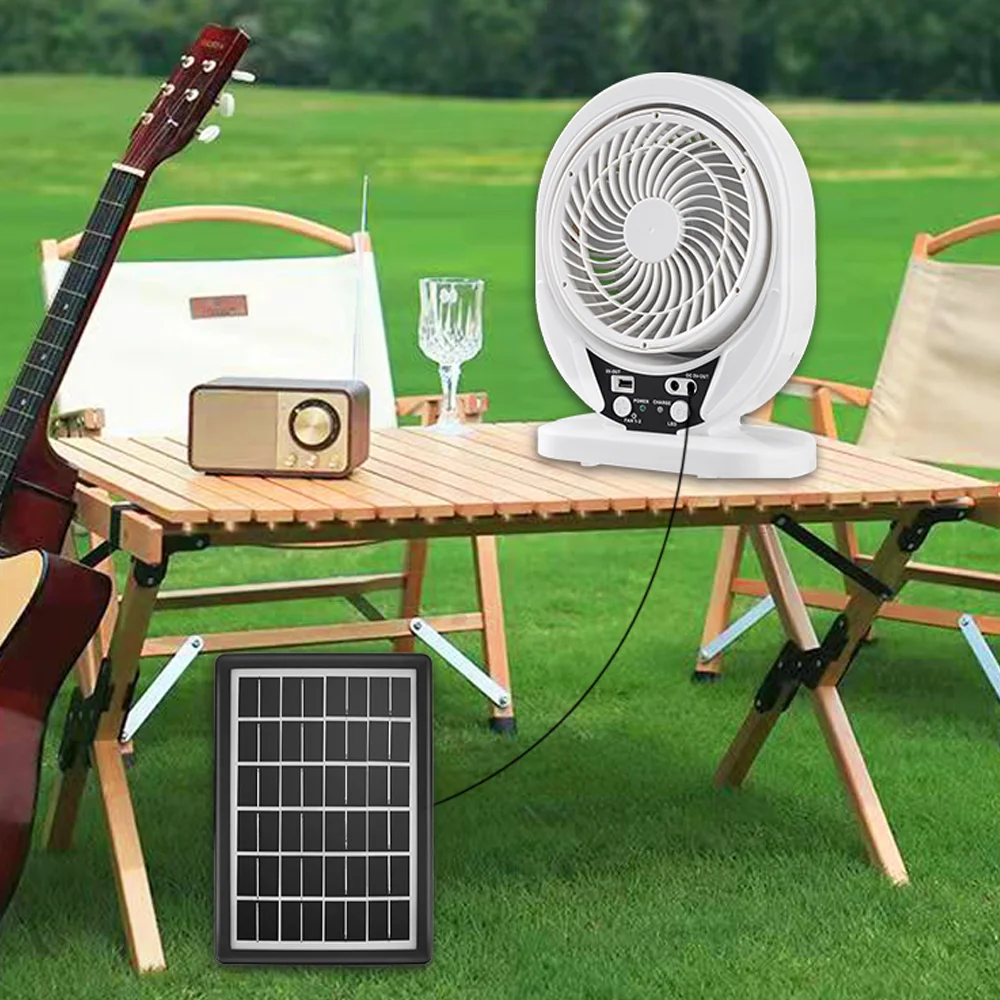
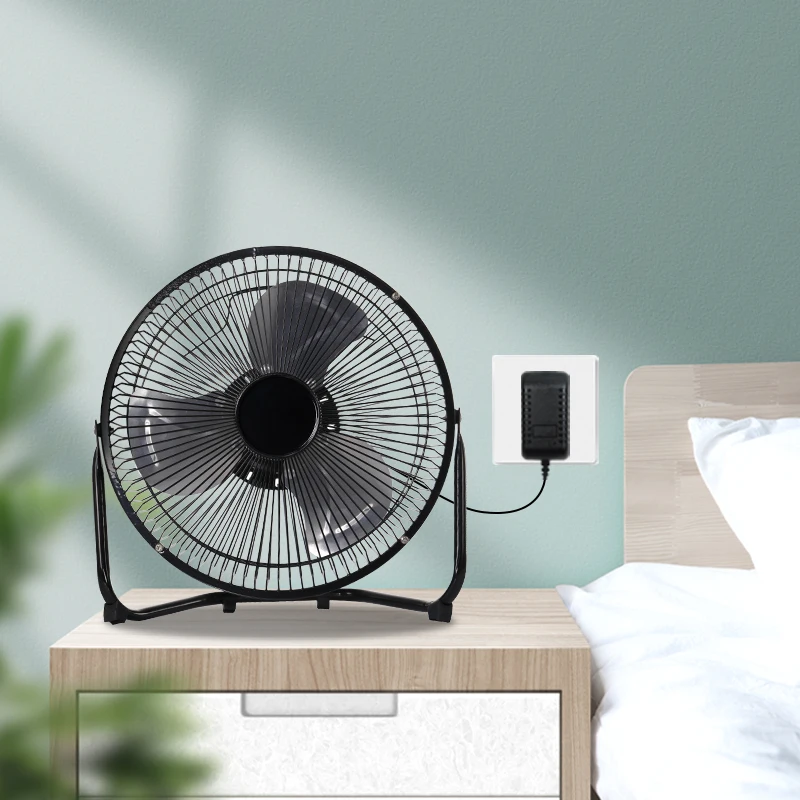
Rechargeable Desk Fan Metal 9 Inch 12V Brushless DC Solar Fan
For people who care about their environmental impact, the Rechargeable Desk Fan Metal 9 Inch 12V Brushless DC Solar Fan stands out as a great option. With its ability to charge via solar power, this fan can save quite a bit on electricity bills when placed outside or near windows that get plenty of sunlight. The brushless motor runs really quietly too, so it won't disturb anyone trying to sleep or concentrate at work. Plus, since it's easy to move around, folks can take advantage of fresh airflow wherever they need it most, whether sitting on a porch during summer evenings or keeping cool while working from home offices or living rooms.
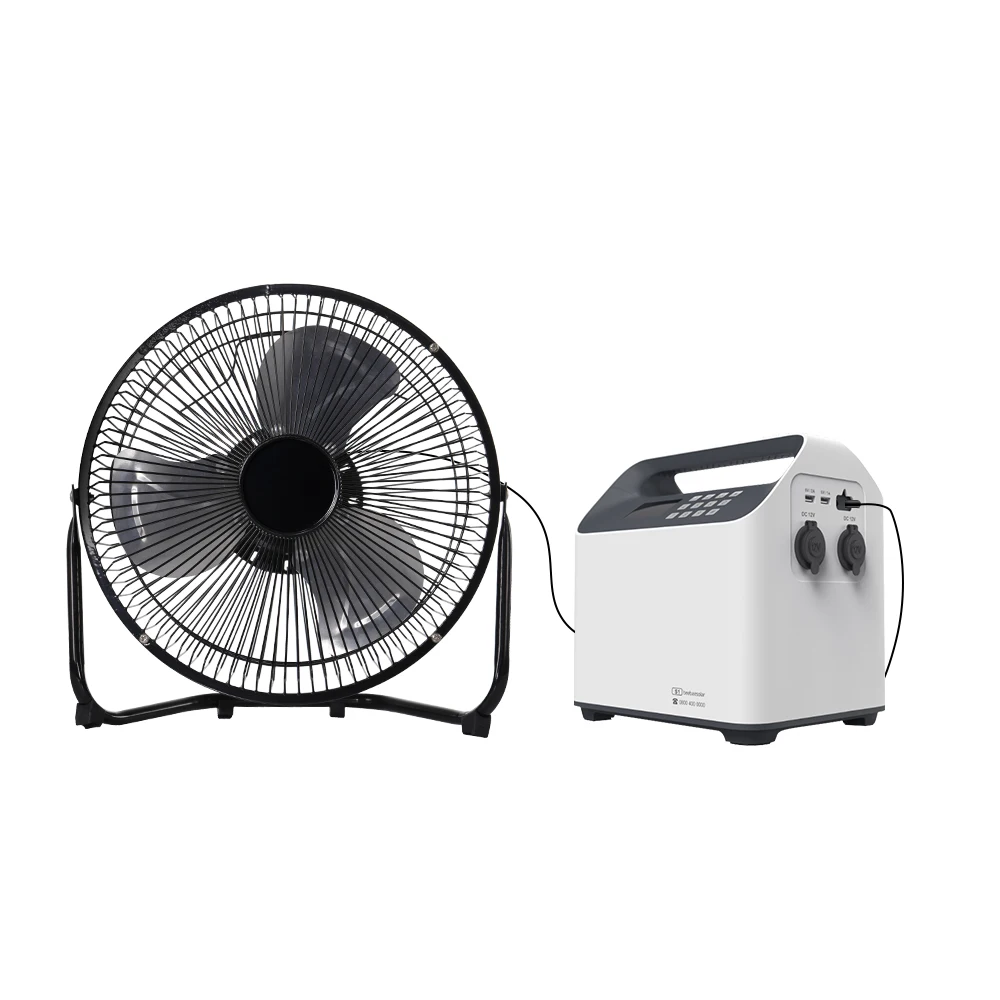
Portable Two-Speed 9 Inch 12V DC BLDC Table Fan
The Portable Two Speed 9 inch 12V DC BLDC Table Fan stands out as a flexible cooling solution that doesn't sacrifice power for efficiency. With two different speed options, folks can adjust airflow according to what they need at any given moment, which helps save electricity when full blast isn't necessary. Weighing just a few pounds, this little unit moves around easily from room to room, perfect for keeping cool while working at the desk or relaxing on the couch. For those watching their energy bills but still wanting good airflow, this fan delivers both value and convenience without breaking the bank.
Choosing the Right Fan for Your Needs
When to Prioritize Energy Savings
Picking out an energy efficient fan makes real sense for installations that will last years because the money saved on power adds up over time. Fans that consume less electricity, especially models equipped with brushless DC motors, cut down on monthly bills quite a bit. This matters a lot for homes located in hot areas where people need air conditioning running most days of the year. When summer temperatures hit triple digits, smart homeowners look at their wallets before turning on another fan. Reading those energy labels stuck on appliances helps folks pick better options without breaking the bank. A good quality fan might cost more upfront but pays itself back many times over during peak seasons. Plus, all these small choices collectively help lower carbon footprints across neighborhoods and cities alike.
Balancing Performance and Sustainability
Choosing fans with sustainability in mind means looking at what we pay now versus what our planet pays later. Green fans tend to cost more when bought, but save money and reduce harm to the environment down the road through lower running costs. When someone looks at fan options, they should think about their actual needs alongside specs like airflow ratings and noise levels. Going green isn't just about feeling good it actually affects monthly electricity expenses and leaves smaller carbon marks on the earth. Finding the sweet spot between how well a fan works and how friendly it is to nature takes some research. Most folks end up picking something that meets basic requirements while still cutting down on waste and resource consumption over years of use.